Non-incisional method
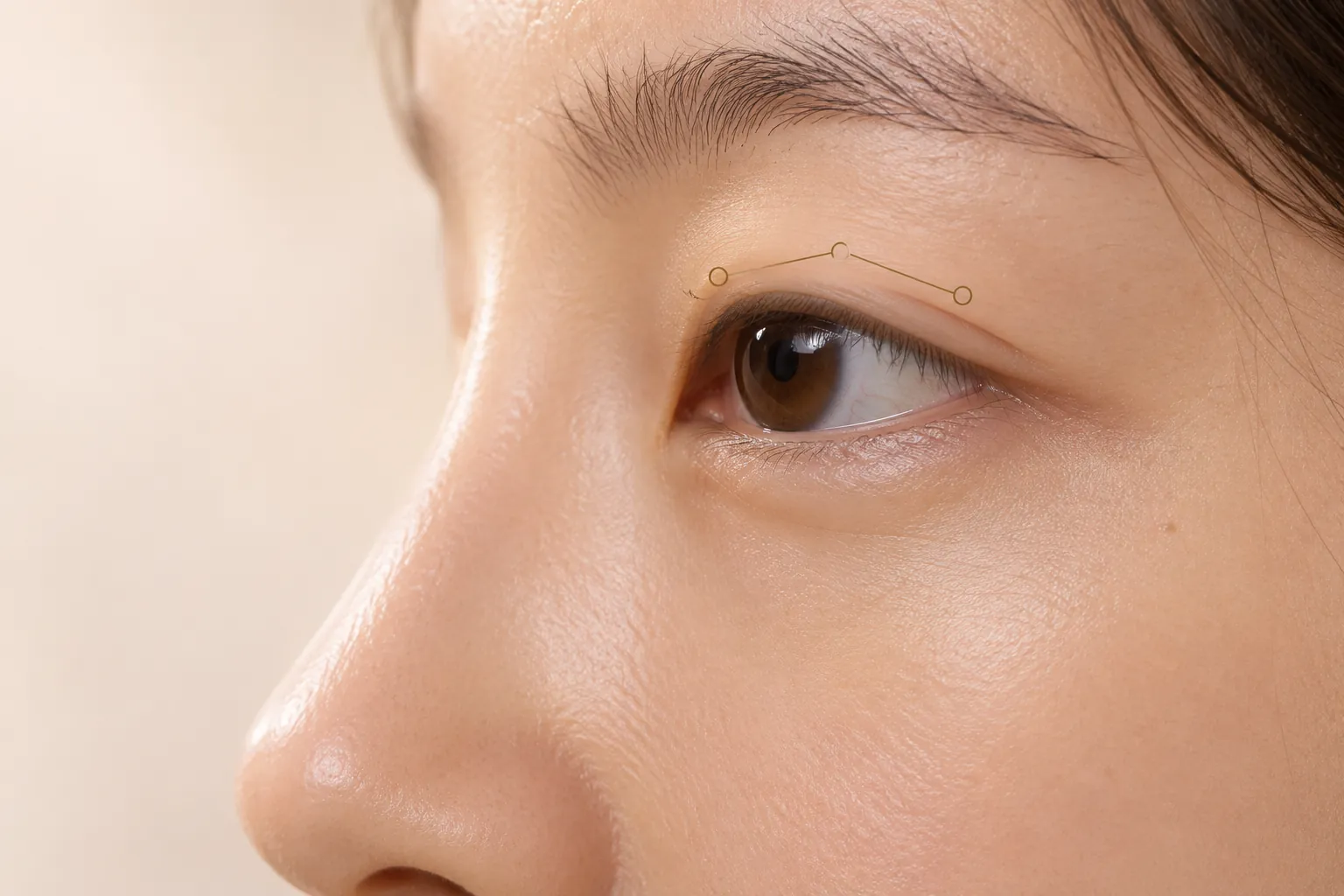
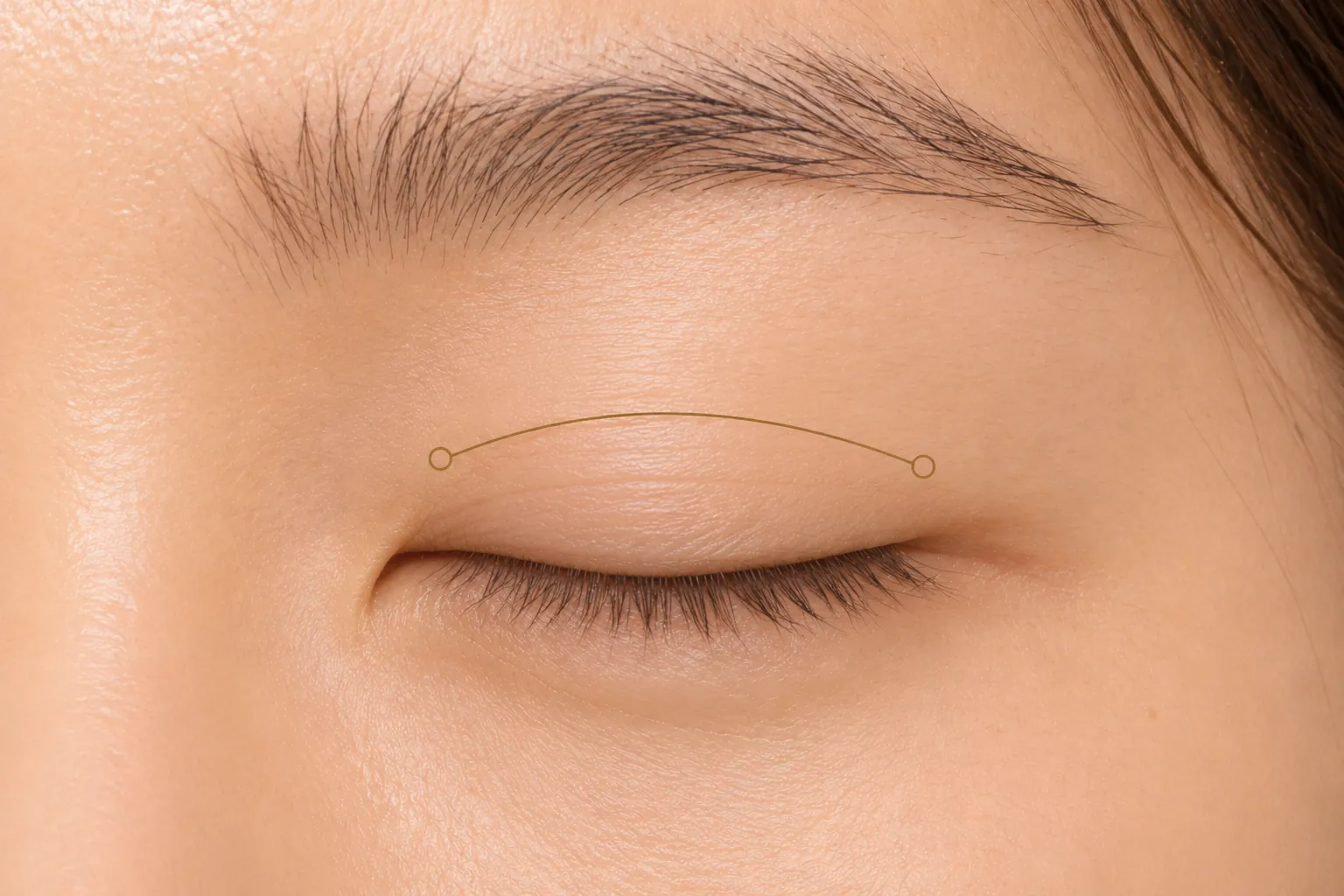
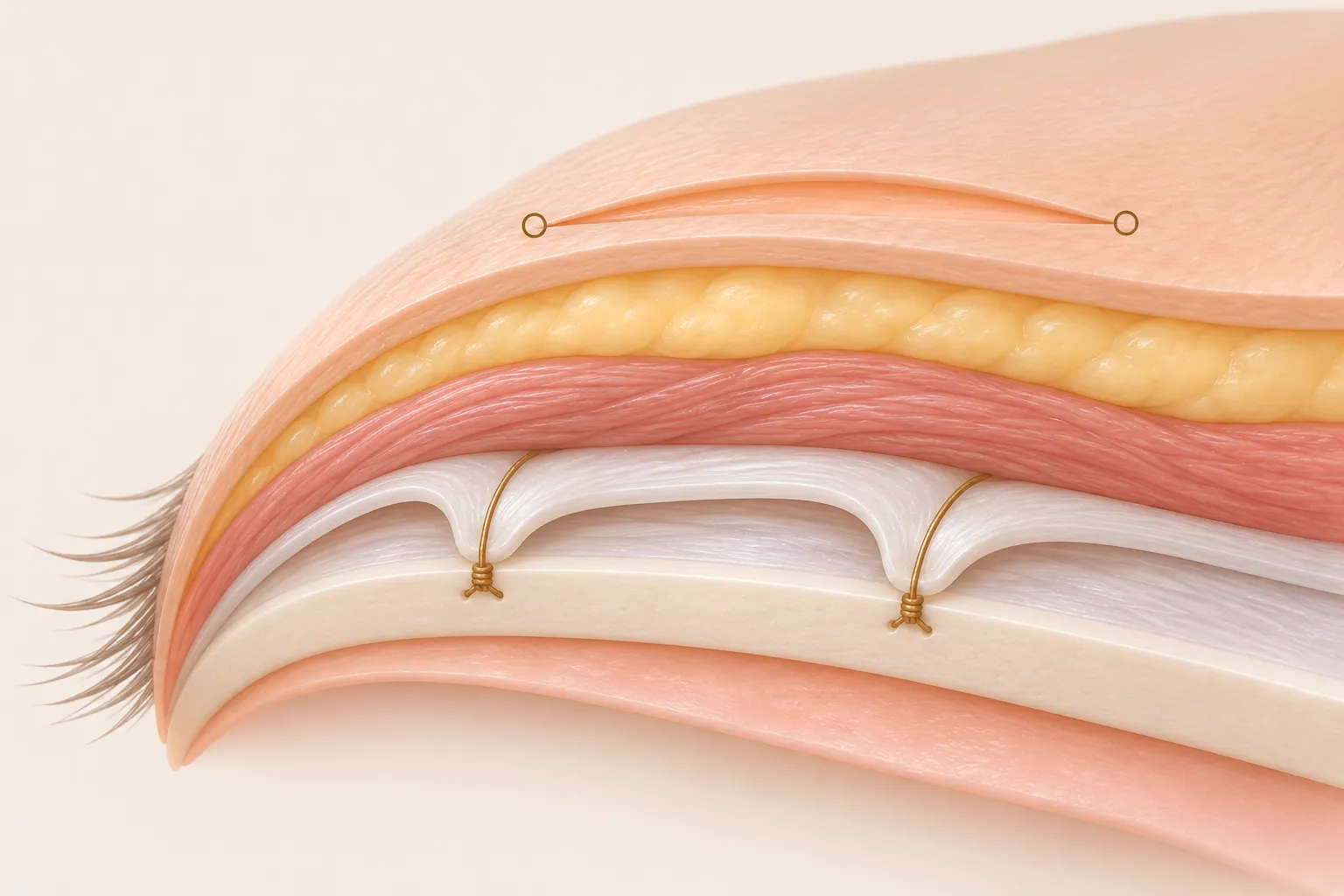
When skin sagging is minimal and the eyelid is thin, a non-incisional method through tiny openings reduces scarring concerns and shortens recovery.
EYE CORRECTION
Functional and cosmetic surgery that adjusts the strength of the eye-opening muscle to make sleepy, heavy-looking eyes larger and clearer
The iris shows more naturally, for clear, defined eyes
Levator tension precisely adjusted for each person
Less strain on the forehead muscles, for natural, comfortable eye opening
WHY WITH CLINIC
Double eyelid surgery alone cannot correct eyes that look tired. The key is the strength of the muscle that opens the eye. The WITH CLINIC Plastic Surgery Center precisely adjusts the tension of the levator muscle, the cause of ptosis, so you can open your eyes comfortably and clearly without relying on your forehead.
A sleepy look starts with the strength of the muscle that opens the eye. The correction method depends on the condition of the eyelid.
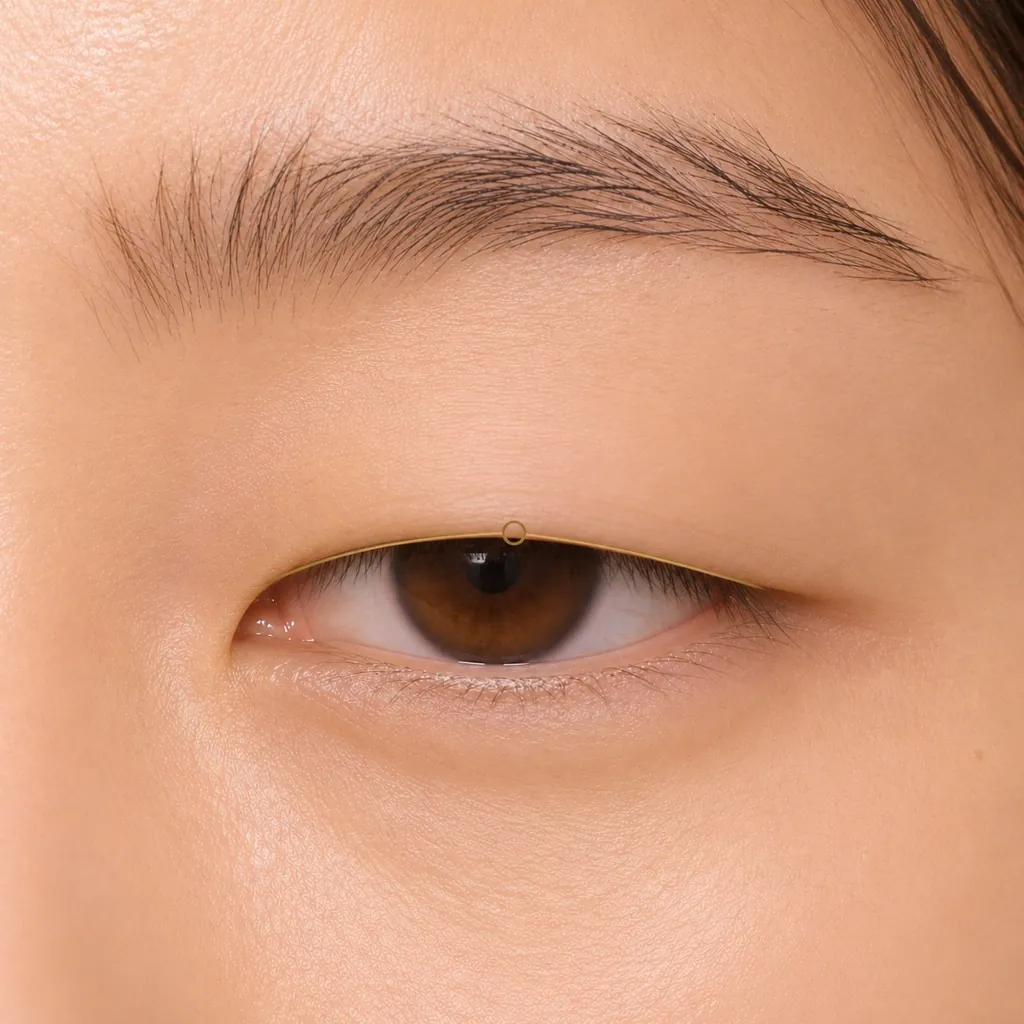
What you may notice: More than a third of the iris is covered by the eyelid, giving a sleepy, listless look.
What we considerPtosis correction that adjusts the tension of the levator muscle
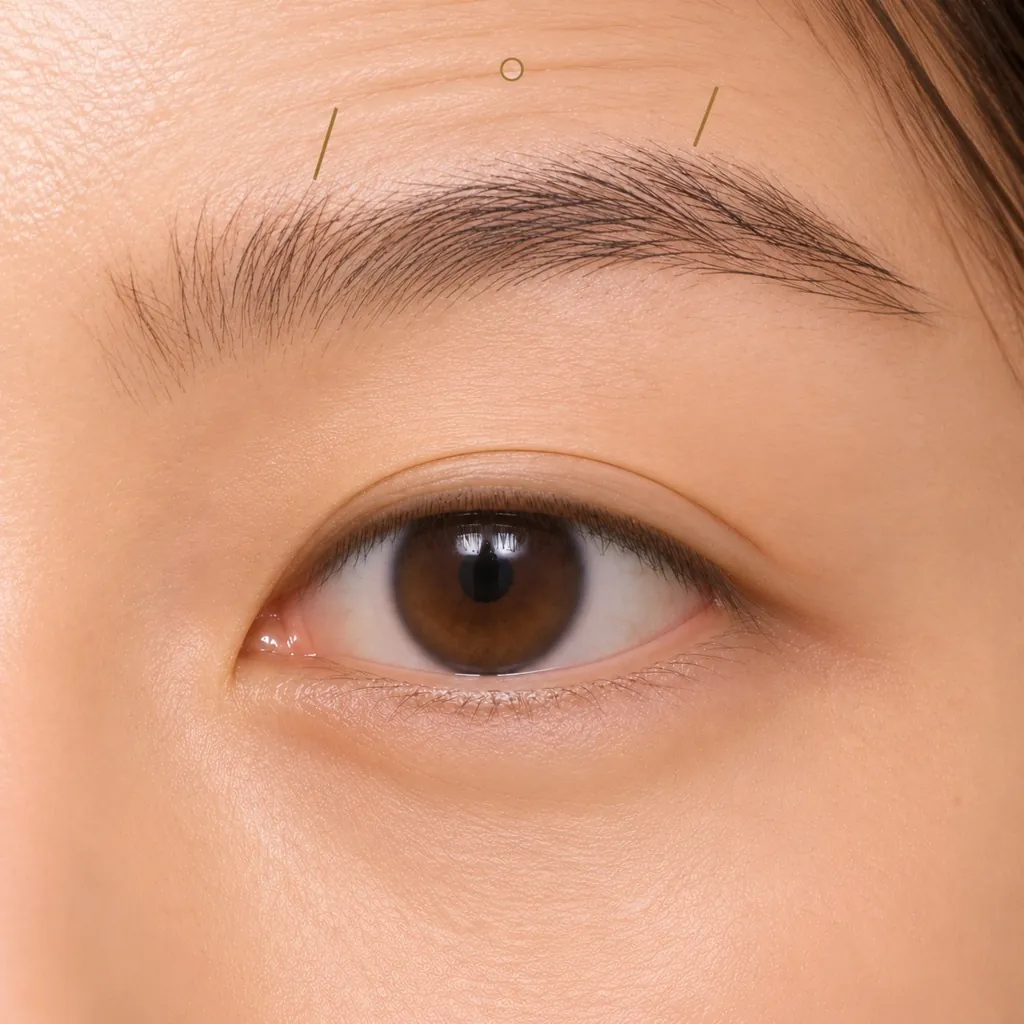
What you may notice: The brows and forehead tense when opening the eyes, and the eyes tire easily.
What we considerCorrect muscle tension to reduce strain on the forehead
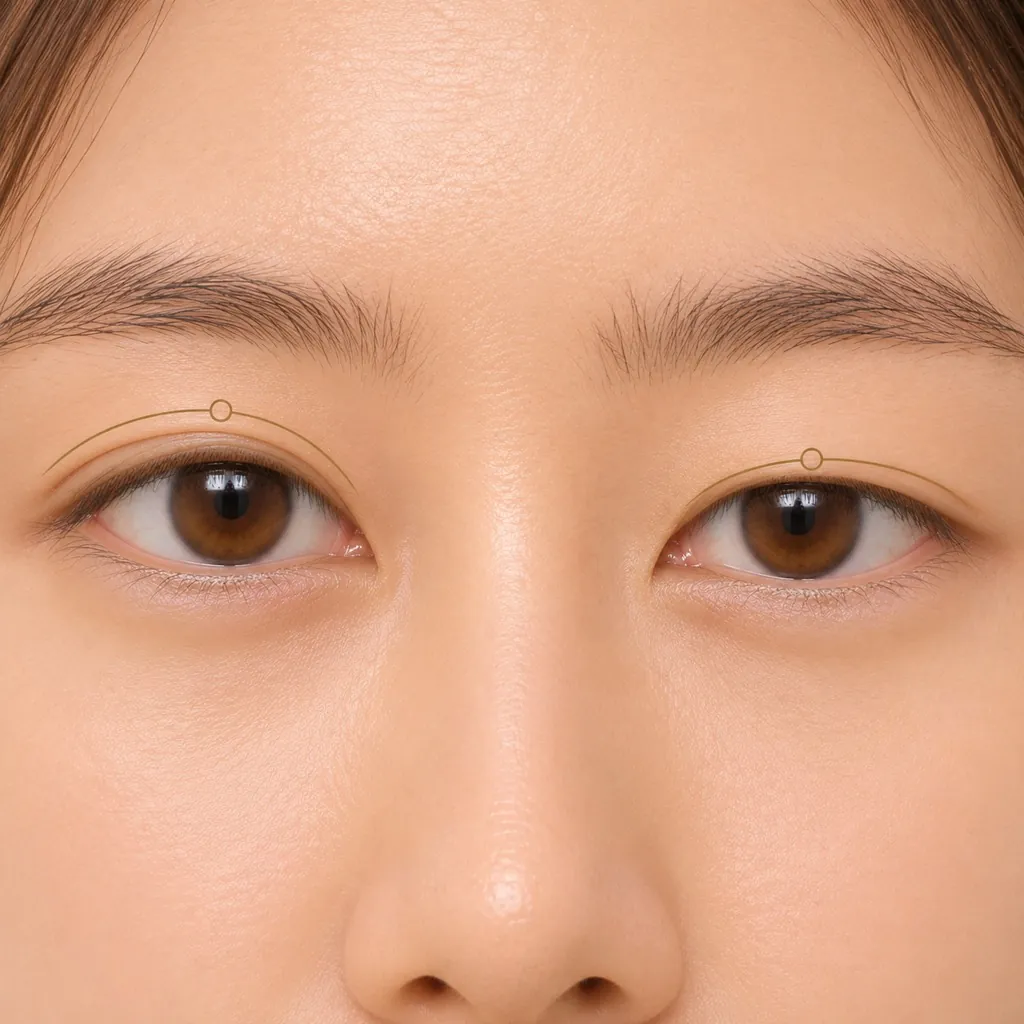
What you may notice: The two eyes differ in size, or the double eyelid lines are asymmetric.
What we considerCheck the eye-opening strength of each eye and correct each one
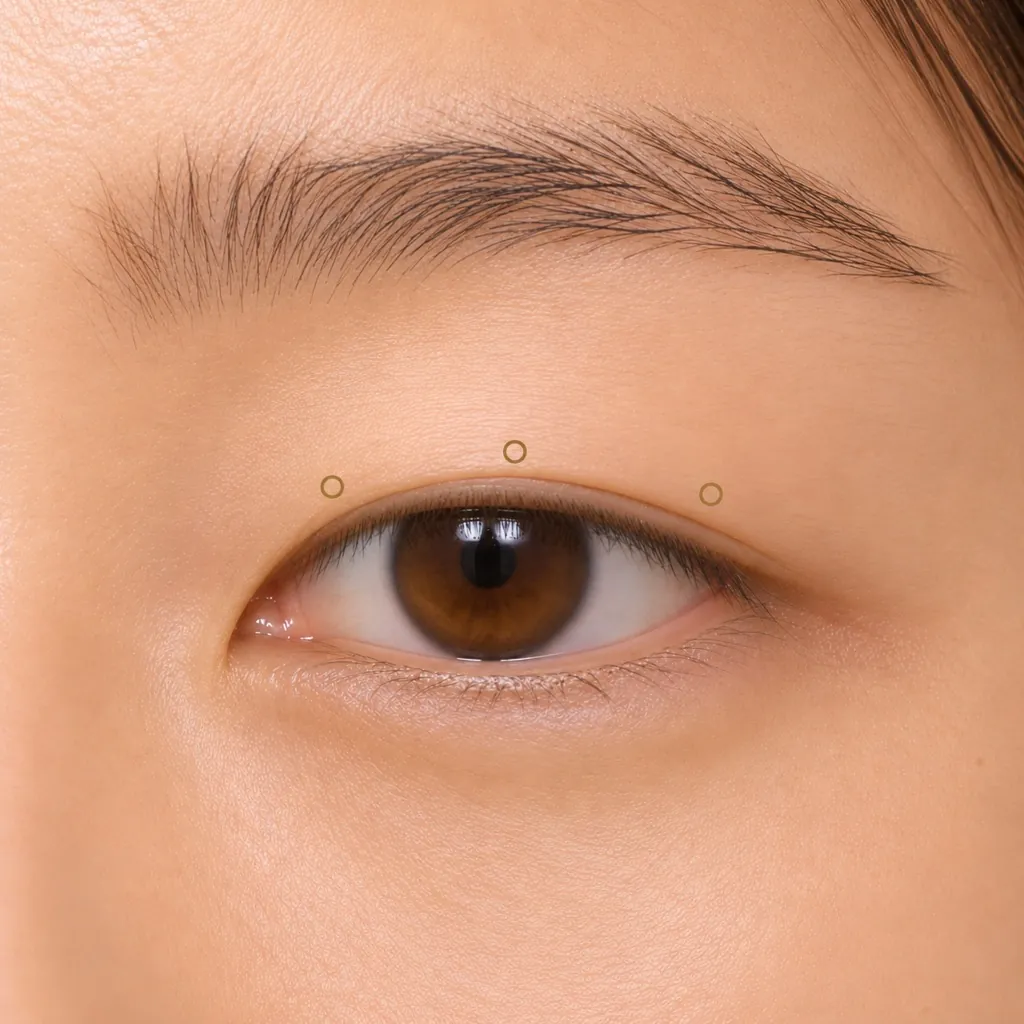
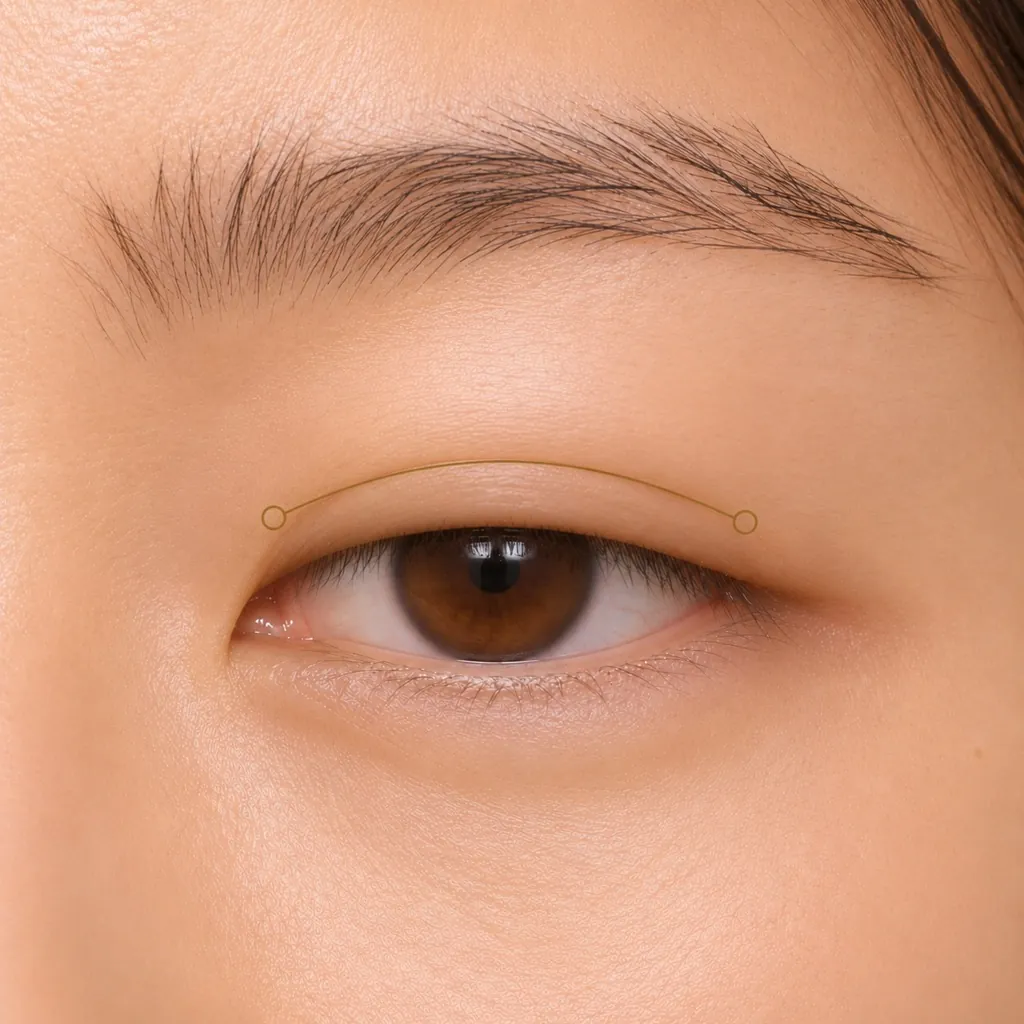
What you may notice: There is little skin sagging and the eyelid is thin.
What we considerNon-incisional method, correcting through tiny openings
What you may notice: The eyelid has a lot of fat, or eye opening is markedly weak.
What we considerIncisional method, securing the muscle firmly
Whether the non-incisional or incisional method suits you is decided after examining eyelid thickness, the amount of fat and the degree of sagging.
When skin sagging is minimal and the eyelid is thin, a non-incisional method through tiny openings reduces scarring concerns and shortens recovery.
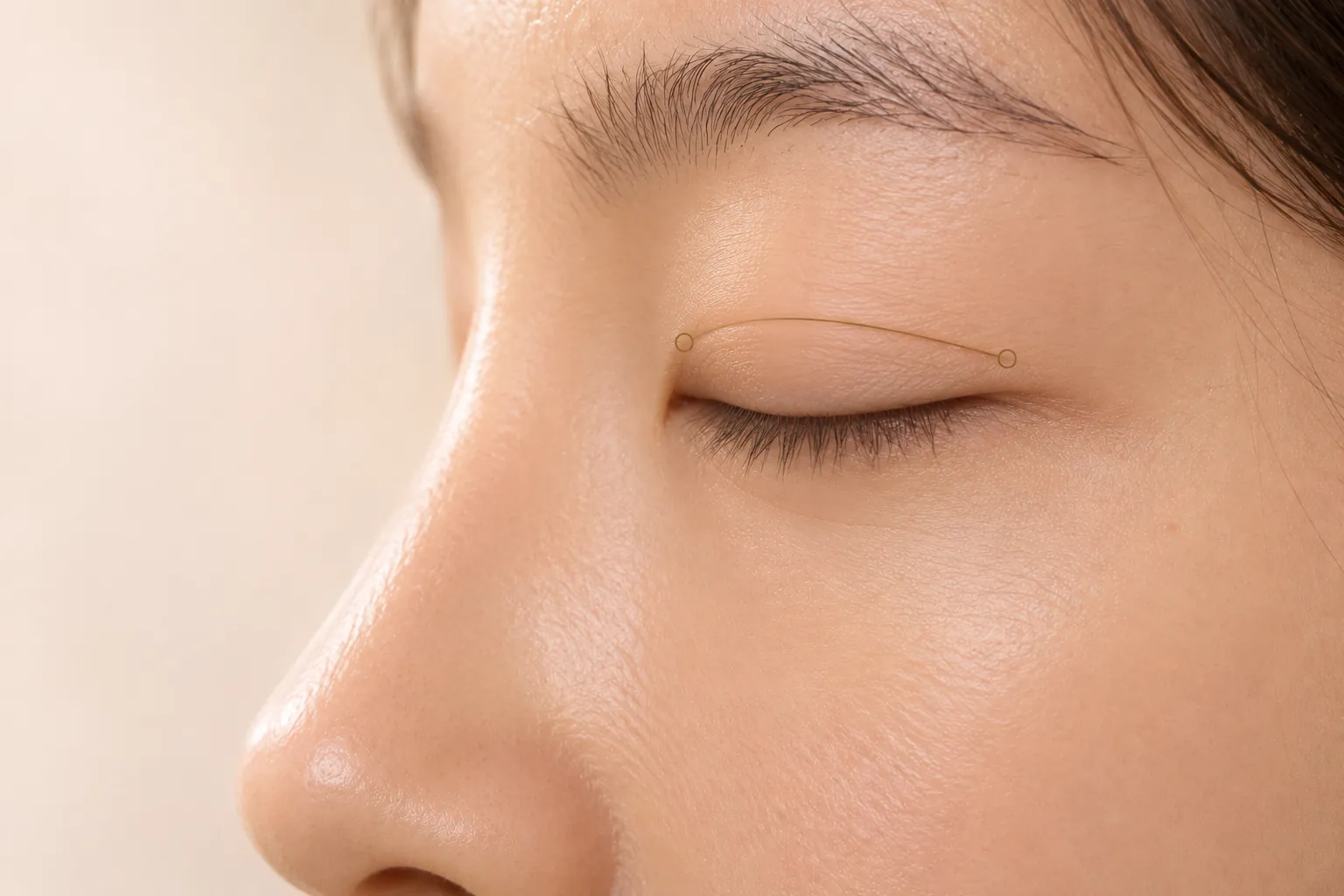
When there is more fat or the muscle is markedly weak, a precise incisional method secures the muscle firmly for stable fixation.
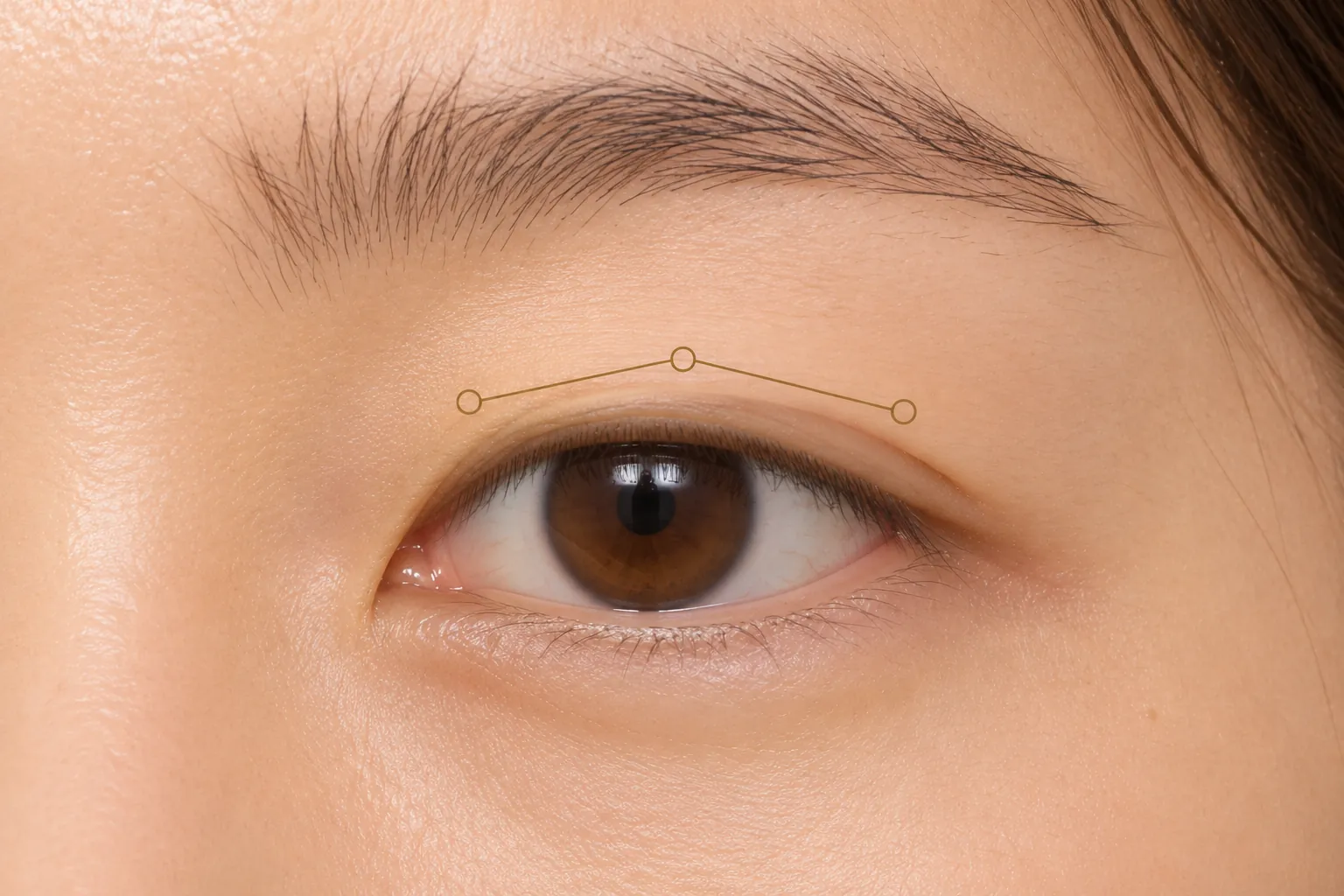
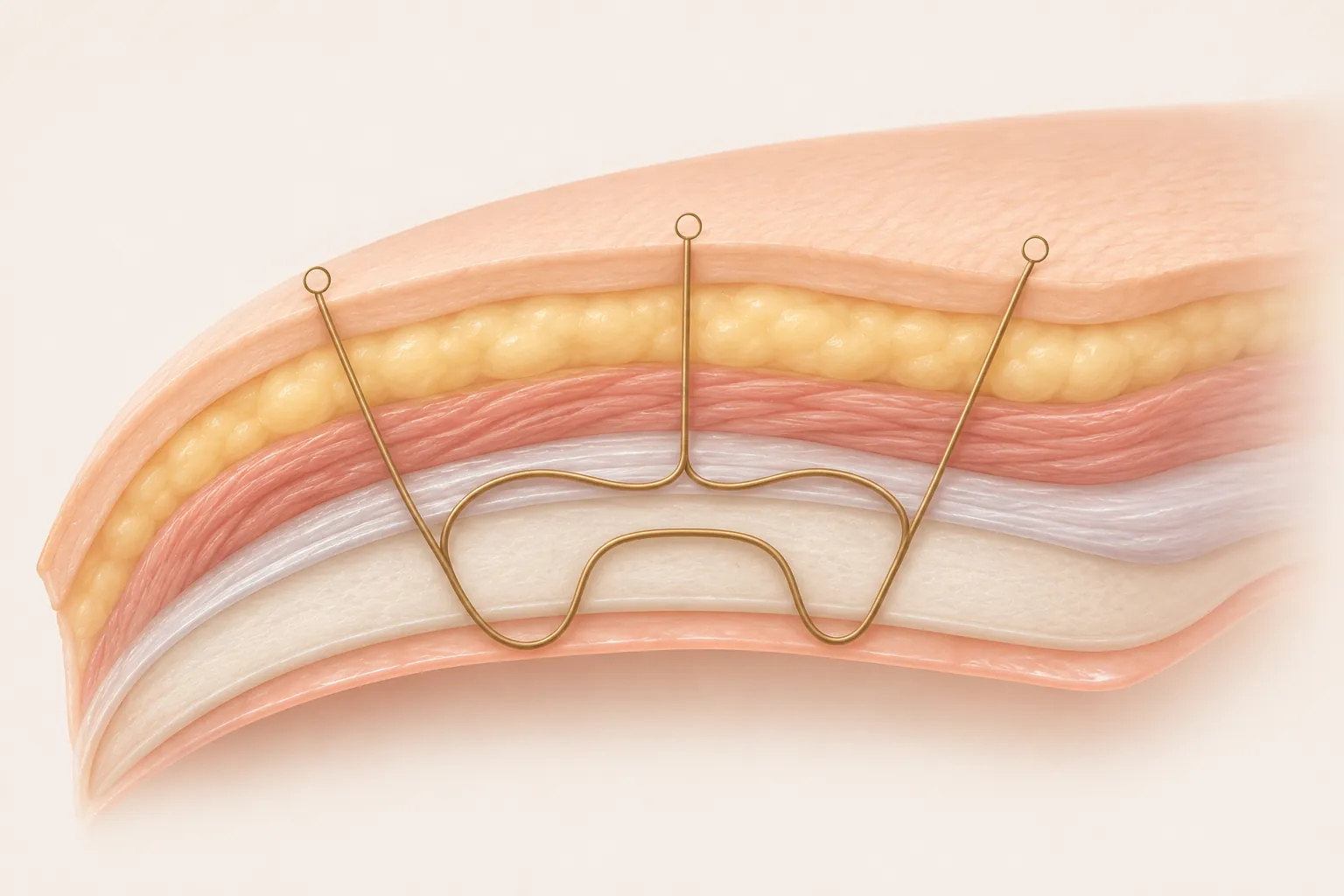
Non-incisional
Used when there is little skin sagging and the eyelid is thin. Without an incision, the tension of the eye-opening muscle is adjusted through tiny openings, which reduces scarring concerns and shortens recovery.
Incisional
Used when the eyelid has a lot of fat or the eye-opening muscle is markedly weak. The muscle is secured firmly through an incision for stable fixation.
Those who tense their brows and forehead to open their eyes and whose eyes tire easily
Those with more than a third of the iris covered by the eyelid, giving a sleepy, listless look
Those whose eyes differ in size or whose double eyelid lines are asymmetric
We explain each stage so you know in advance when you can return to daily life and can plan your schedule.
Right after surgery you receive care instructions and start cold compresses to reduce swelling.
As swelling settles and the muscle adapts, the eyes may feel as if they do not quite close fully.
As the tissue softens, opening the eyes feels more comfortable.
Recovery speed varies from person to person depending on skin condition and the extent of surgery.
For anything else, feel free to ask through our consultation channels.
Yes. With a 'monolid' ptosis correction that creates no crease, or an 'inner-crease' correction whose line is hidden when the eyes are open, we can make the eyes larger and clearer while keeping your own look.
Right after surgery, temporary swelling or the muscle adjusting to its new tension may make the eyes feel as if they do not fully close, but this resolves naturally as the tissue softens. WITH CLINIC carefully avoids overcorrection, reducing concerns about long-term side effects.
It depends on eyelid thickness, the amount of fat, the degree of sagging and the severity of ptosis. After a one-on-one examination with the doctor to understand the anatomy of your eyes, we recommend the most suitable method.
Plastic Surgery
Specialized Centers
Each center has its own consultation flow, so we can calmly guide you to only the care you need now.
Treatment methods, results and recovery time vary with each person’s skin and tissue condition, and side effects such as swelling, bruising or inflammation may occur.