Review of previous surgery
Checking the surgical method, materials and course
REVISION RHINOPLASTY
Surgery that identifies the causes of shape or function problems remaining after a previous rhinoplasty and corrects them again
Implant, cartilage and skin conditions are assessed separately
Deficient cartilage is reinforced with donor or autologous rib cartilage
Surgery is scheduled once the tissue has stabilized
WHY WITH CLINIC
Revision rhinoplasty is performed on a nose where tissue has adhered after previous surgery and less usable cartilage remains. The WITH CLINIC Plastic Surgery Center first identifies the cause of dissatisfaction, such as a visible, deviated or contracted implant, a drooping tip, nostril asymmetry or breathing discomfort. We then decide which materials can be used, such as donor or autologous rib cartilage, before determining the scope of surgery.
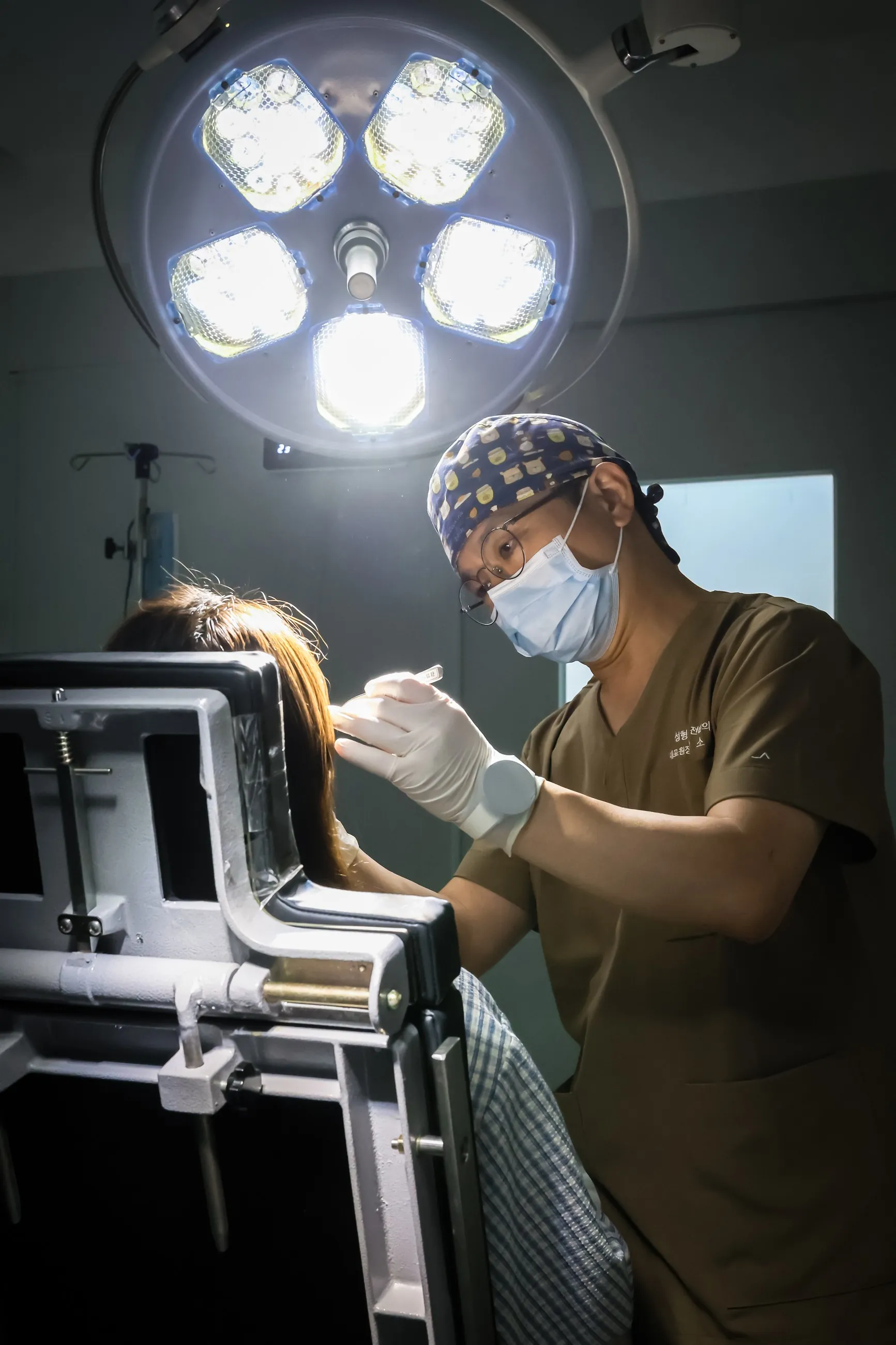
For revision rhinoplasty, we first sort out the cause of dissatisfaction. The scope depends on whether the problem arose from the implant, the cartilage or the skin.
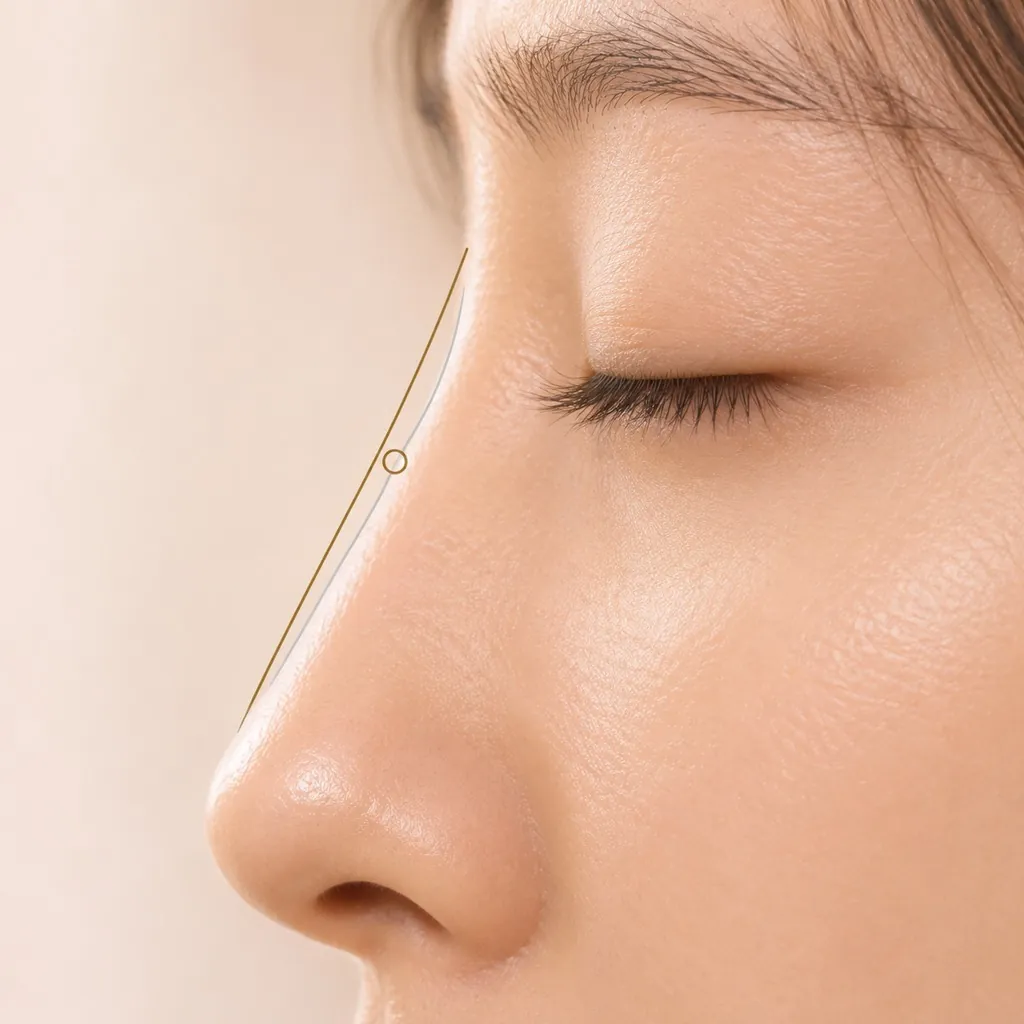
What you may notice: The implant shows through or looks bent, and feels mobile to the touch.
What we considerDecide the scope of implant replacement or removal
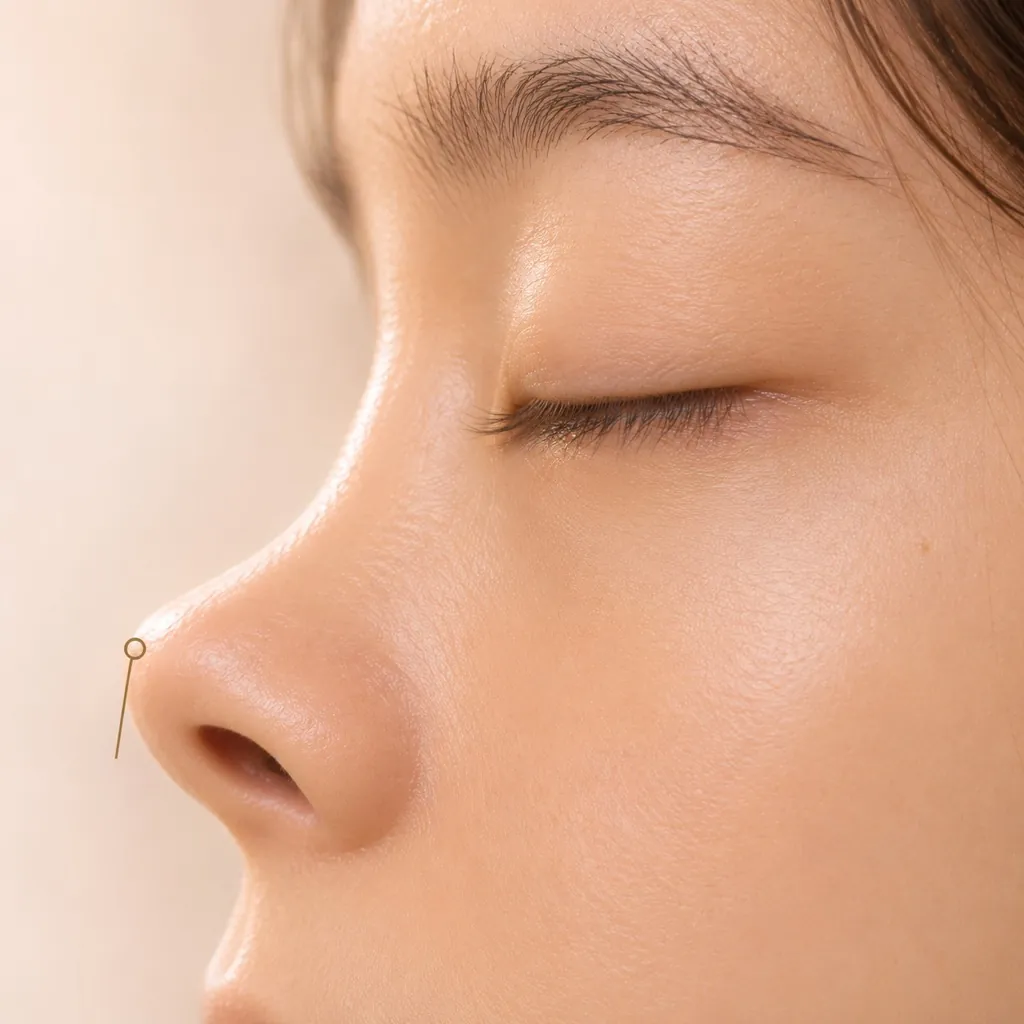
What you may notice: The nose has shortened and the tip has turned up.
What we considerRelease adhesions and reinforce deficient cartilage with rib cartilage
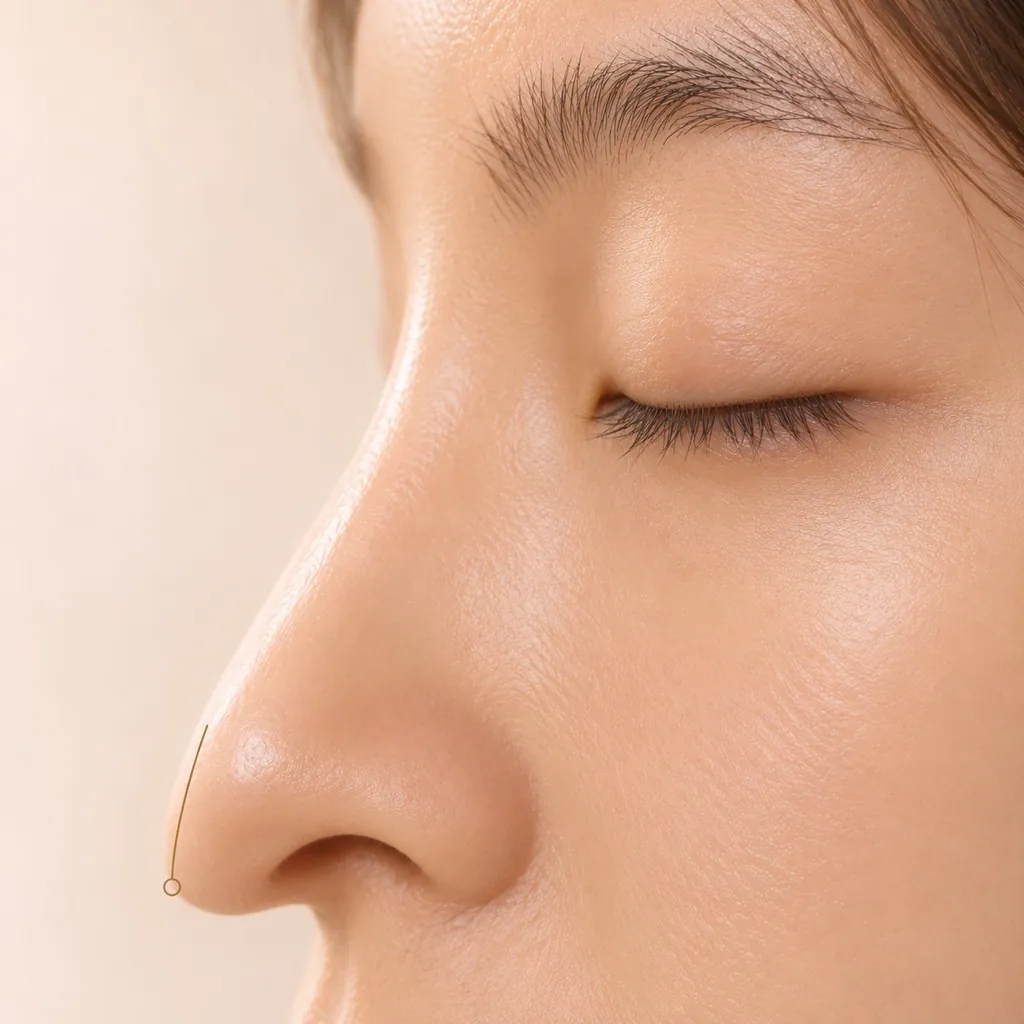
What you may notice: The tip has drooped and the shape looks unnatural.
What we considerRebuild tip support
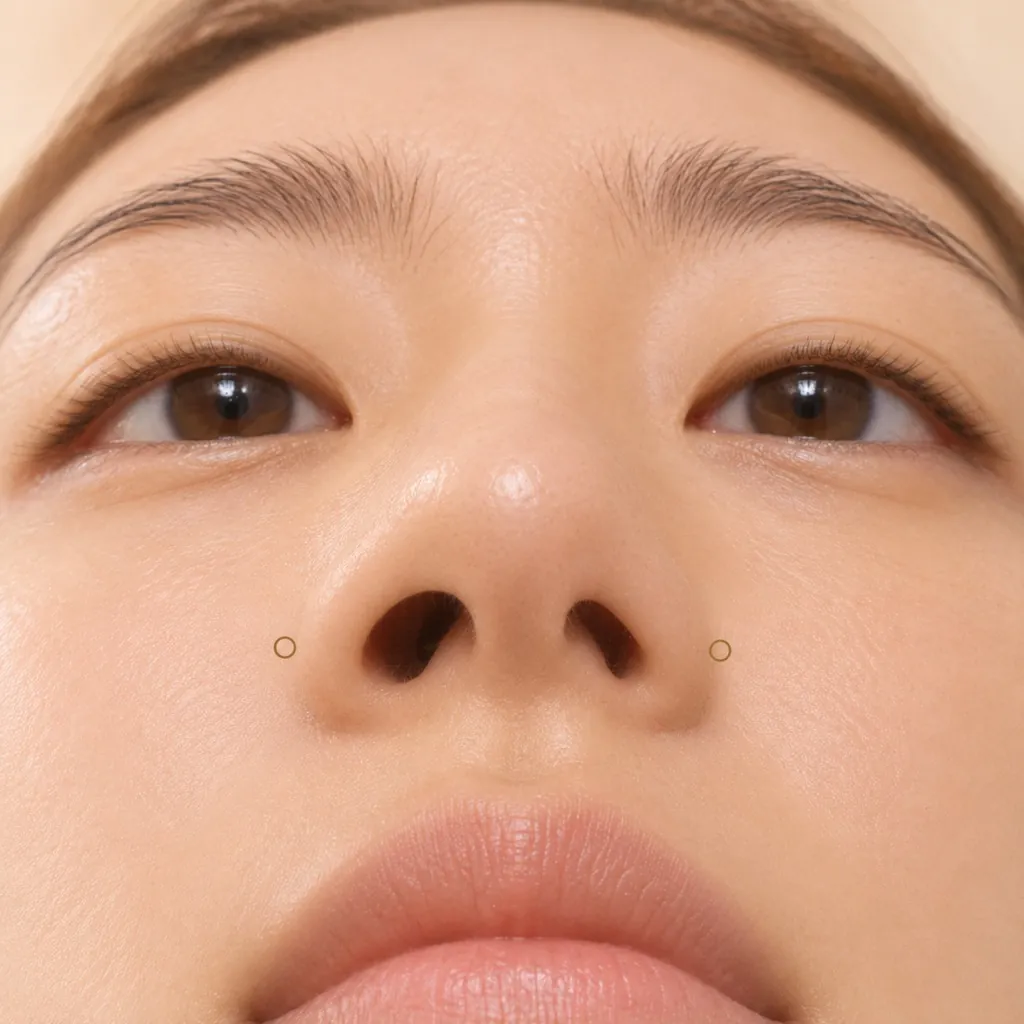
What you may notice: The two nostrils differ in shape.
What we considerCheck cartilage and skin conditions separately, then correct
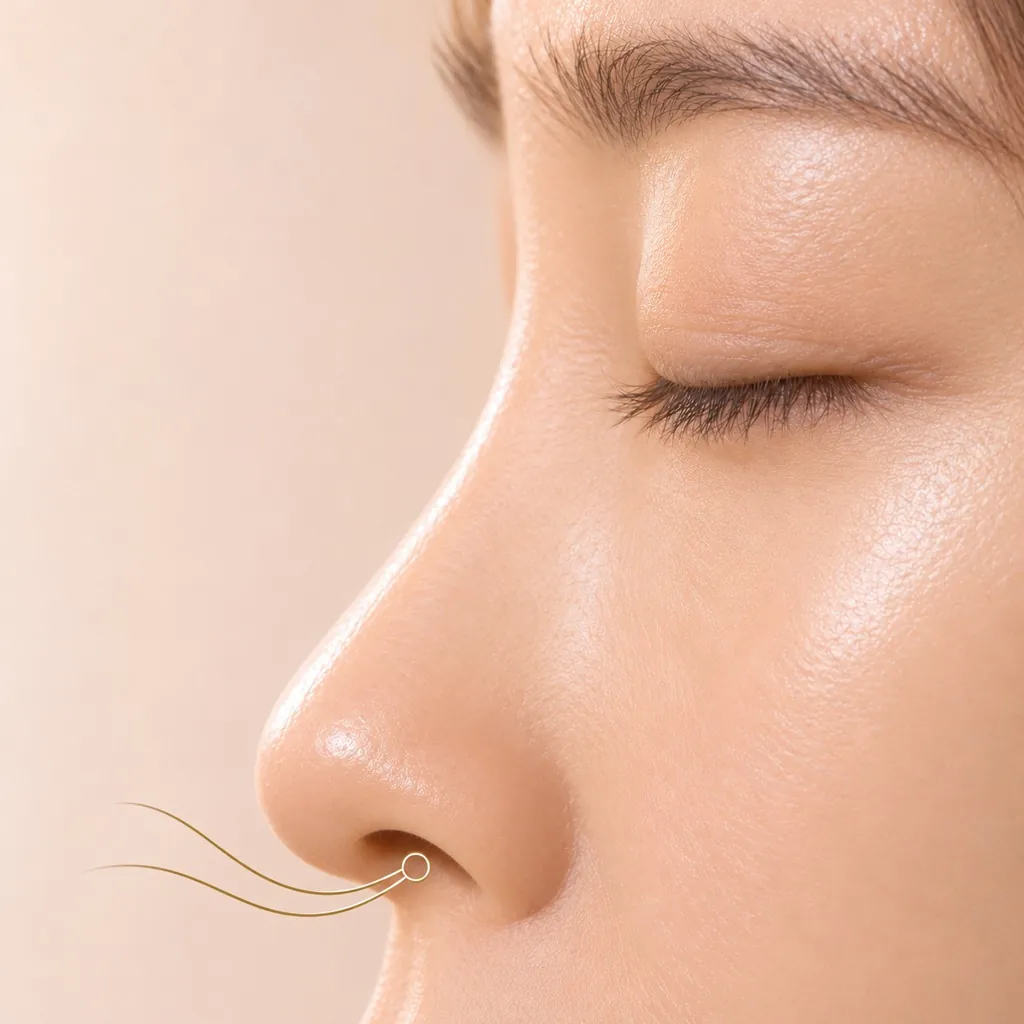
What you may notice: Discomfort such as nasal congestion remains after surgery.
What we considerDiagnose the cause of the functional problem along with the shape
Revision is usually performed 6 months to 1 year after the previous surgery, once swelling and adhesions have stabilized. Urgent problems such as inflammation or implant exposure may be addressed sooner.
Checking the surgical method, materials and course
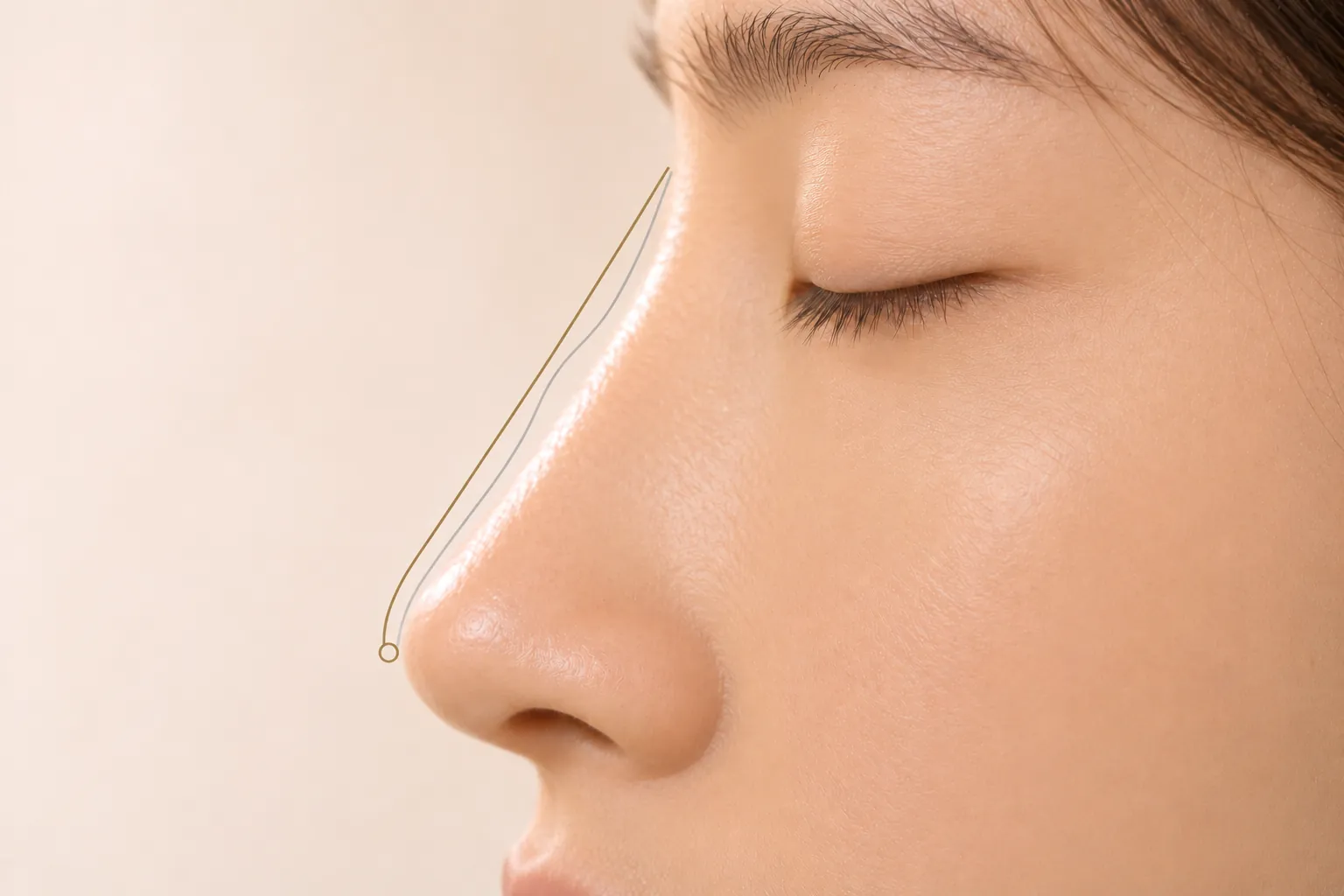
Distinguishing the causes of shape and function problems
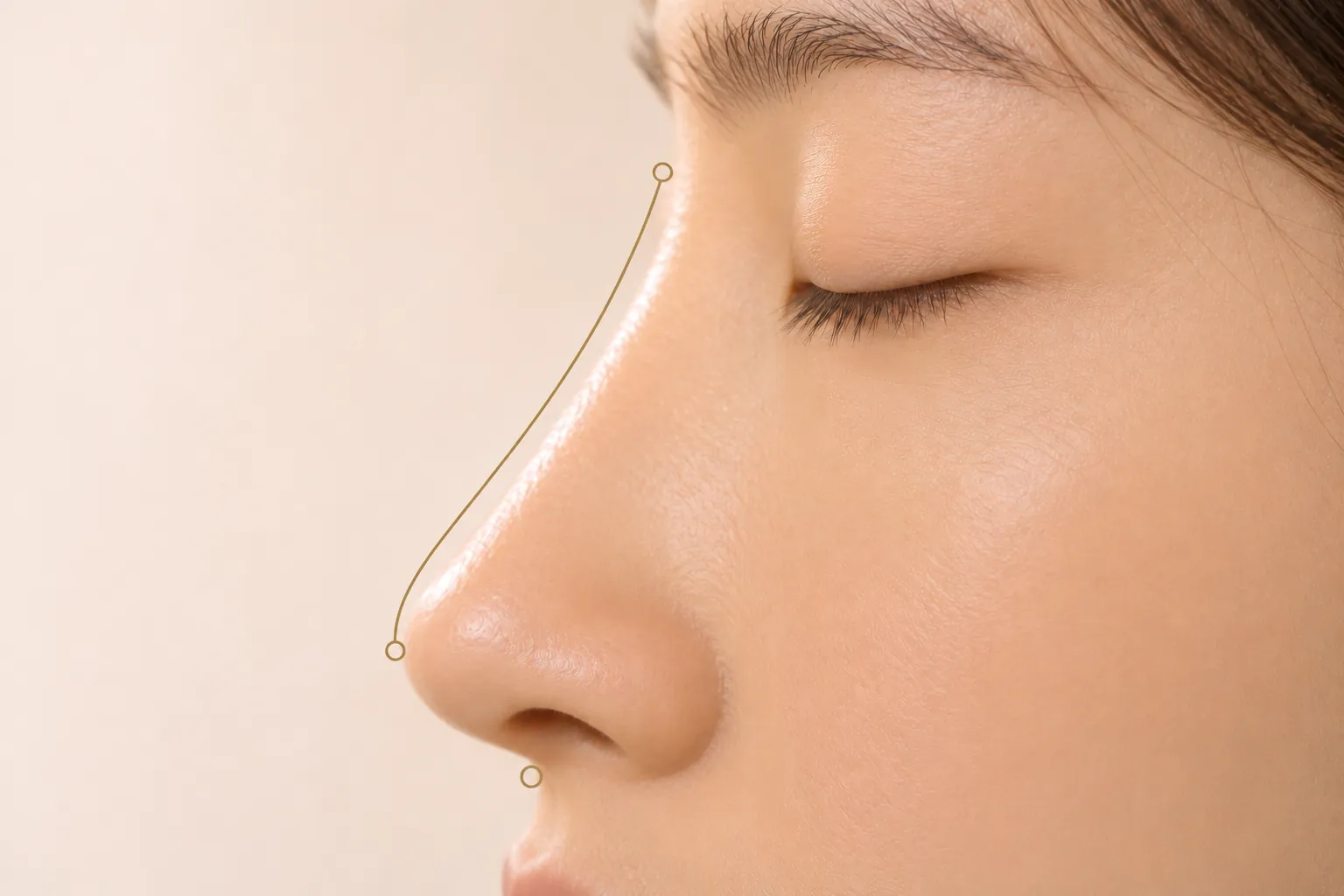
Implant replacement or removal, extent of cartilage reinforcement

Follow-up checks and aftercare guidance
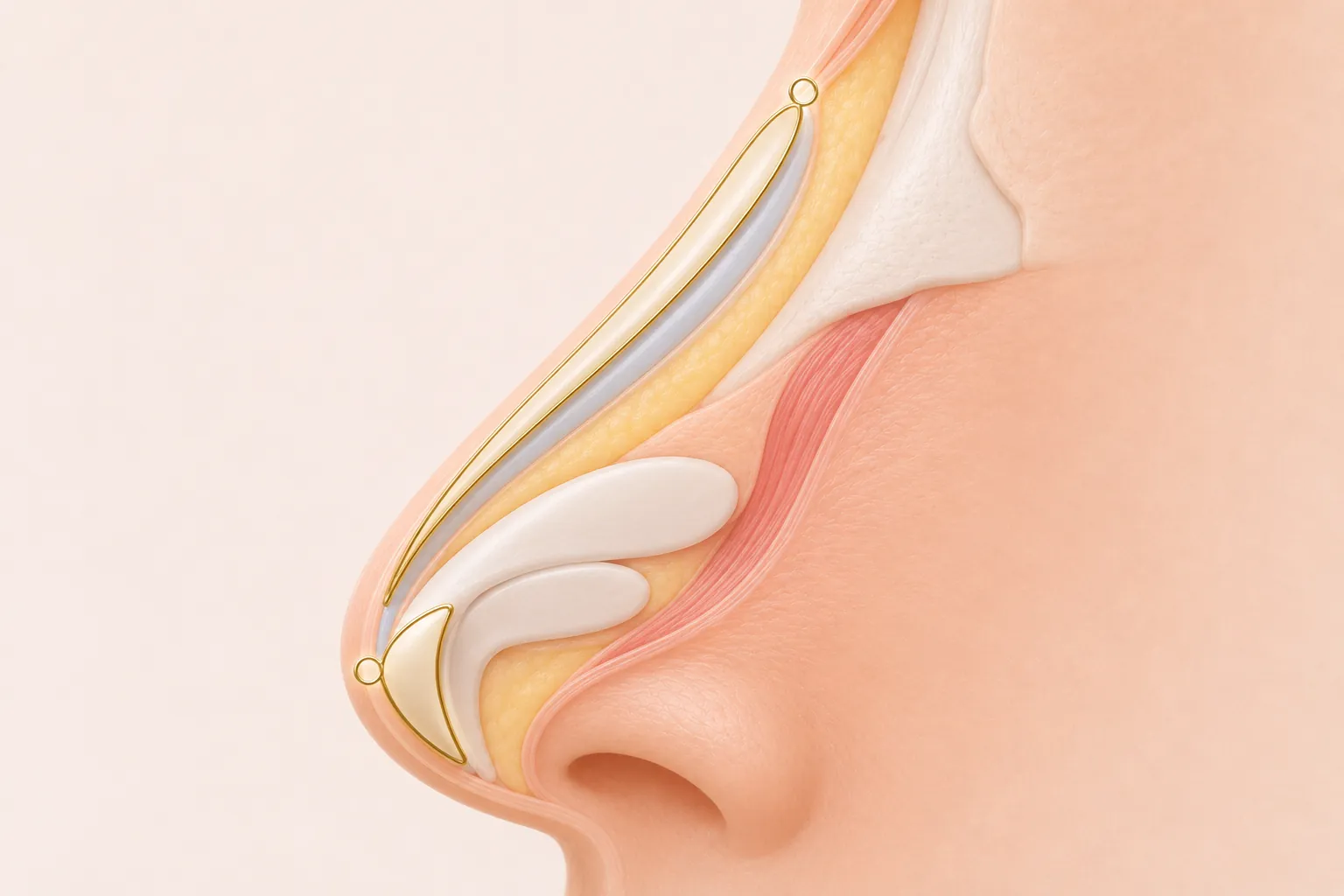
Revision Rhinoplasty
We first identify the cause of dissatisfaction, such as implant show-through, deviation or contracture, or a drooping tip, then decide which materials can be used, such as donor or autologous rib cartilage, before determining the scope of surgery.
Those whose implant shows through, looks bent, or feels mobile to the touch
Those whose tip has drooped or turned up, making the shape look unnatural
Those with remaining functional discomfort after surgery, such as nasal congestion
We explain each stage so you know in advance when you can return to daily life and can plan your schedule.
Right after surgery you receive care instructions and start cold compresses to reduce swelling.
The splint holding the nose and the stitches are removed, and the condition is checked.
This is when major swelling and bruising subside and you return to daily life.
As the remaining swelling gradually goes down, the shape of the tip and bridge settles.
Recovery speed varies from person to person depending on skin condition and the extent of surgery.
For anything else, feel free to ask through our consultation channels.
It is usually performed 6 months to 1 year after the previous surgery, once swelling and adhesions have stabilized. Urgent problems such as inflammation or implant exposure may be addressed sooner after examination.
Yes. After examination, we explain how the shape of your nose may change after removal and whether cartilage reinforcement is needed.
In most cases the previous incision line is reused. If an open approach is needed, a small incision under the columella may be added, and it fades over time until it is hard to notice.
Plastic Surgery
Specialized Centers
Each center has its own consultation flow, so we can calmly guide you to only the care you need now.
Treatment methods, results and recovery time vary with each person’s skin and tissue condition, and side effects such as swelling, bruising or inflammation may occur.