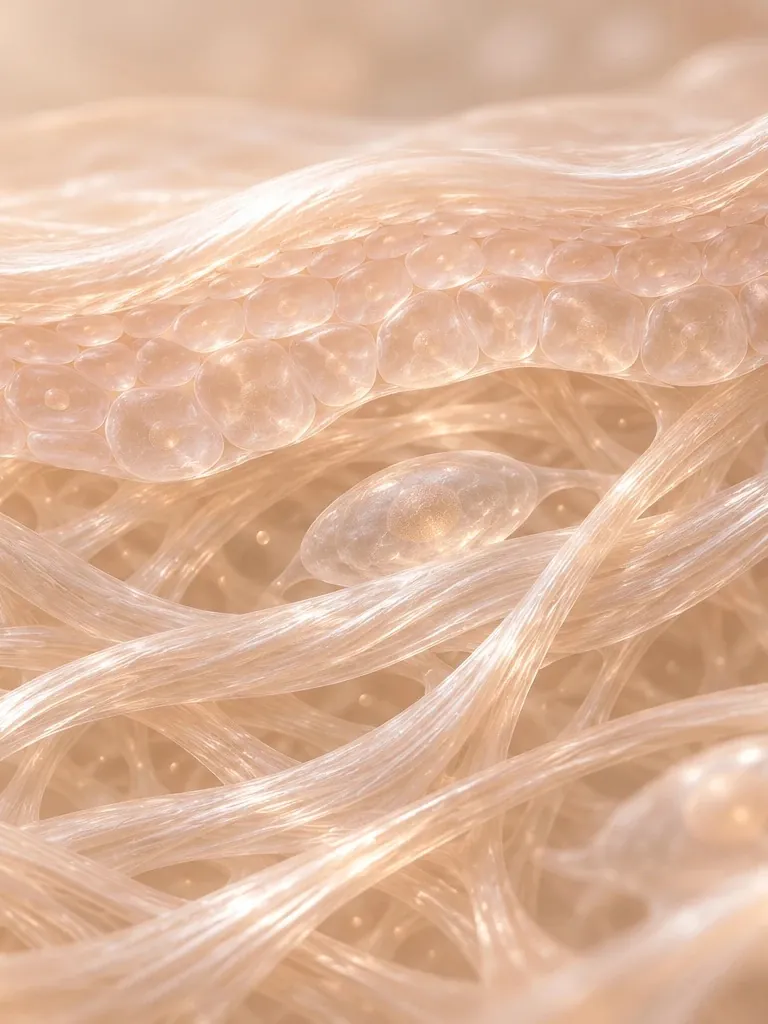
Adhesion release
Adhered scar tissue is precisely released and cleanly separated
REVISION EYELID SURGERY
A complex surgery that analyzes why a previous eye surgery fell short, addresses its complications and restores a natural, attractive eye shape
The causes of the previous result are analyzed in fine detail
Damaged tissue is carefully separated and restored
Revision that corrects appearance and function at the same time
WHY WITH CLINIC
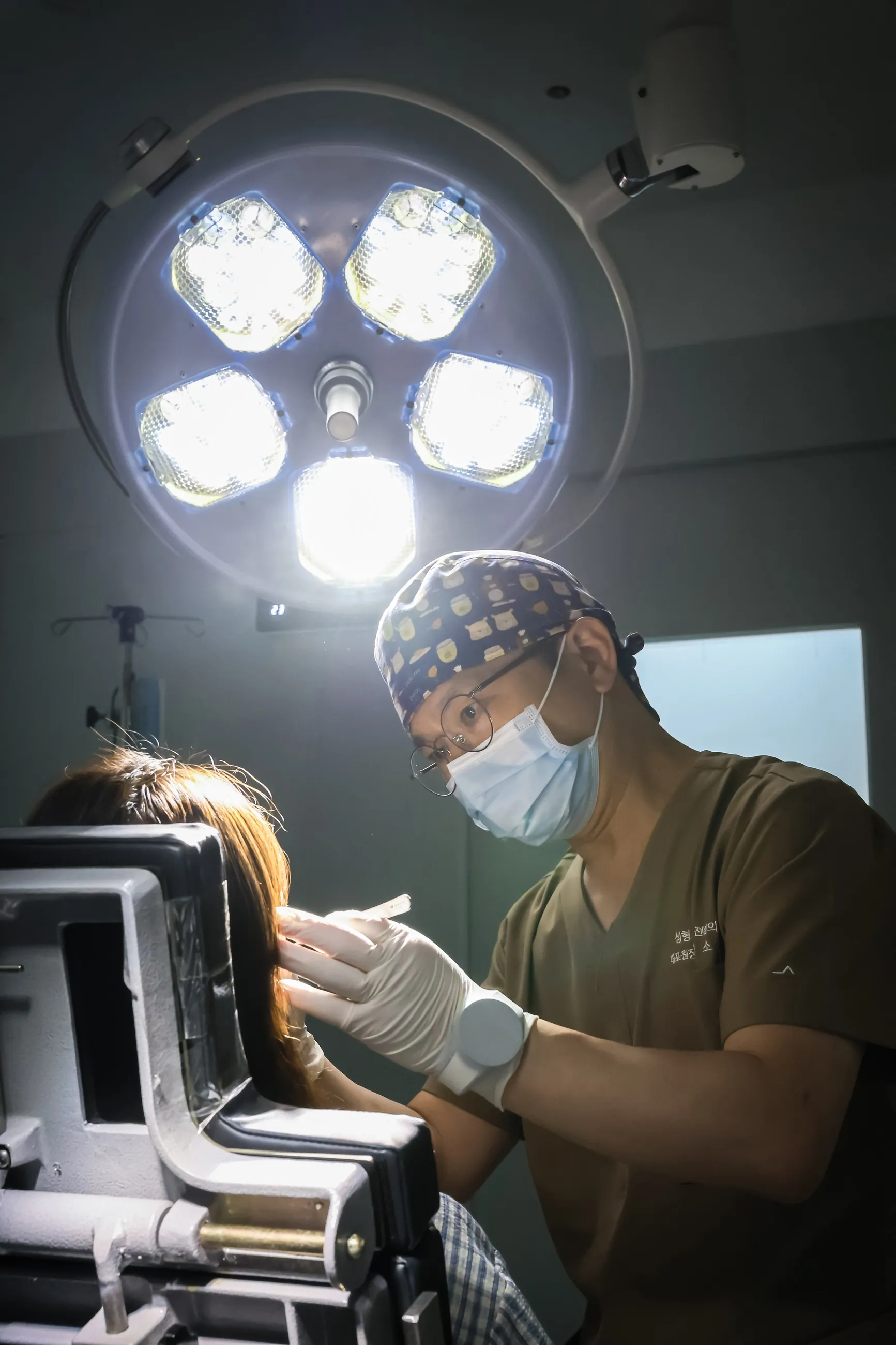
Revision eye surgery is a demanding field that requires advanced technique and aesthetic judgment, as it works with tissue that has already been altered. The WITH CLINIC Plastic Surgery Center analyzes the causes of the previous result in fine detail and carefully releases scar tissue, aiming for a final surgery that corrects both cosmetic dissatisfaction and functional problems.
In revision surgery, finding out why it happened comes before looking at what has changed. The method depends on the cause.
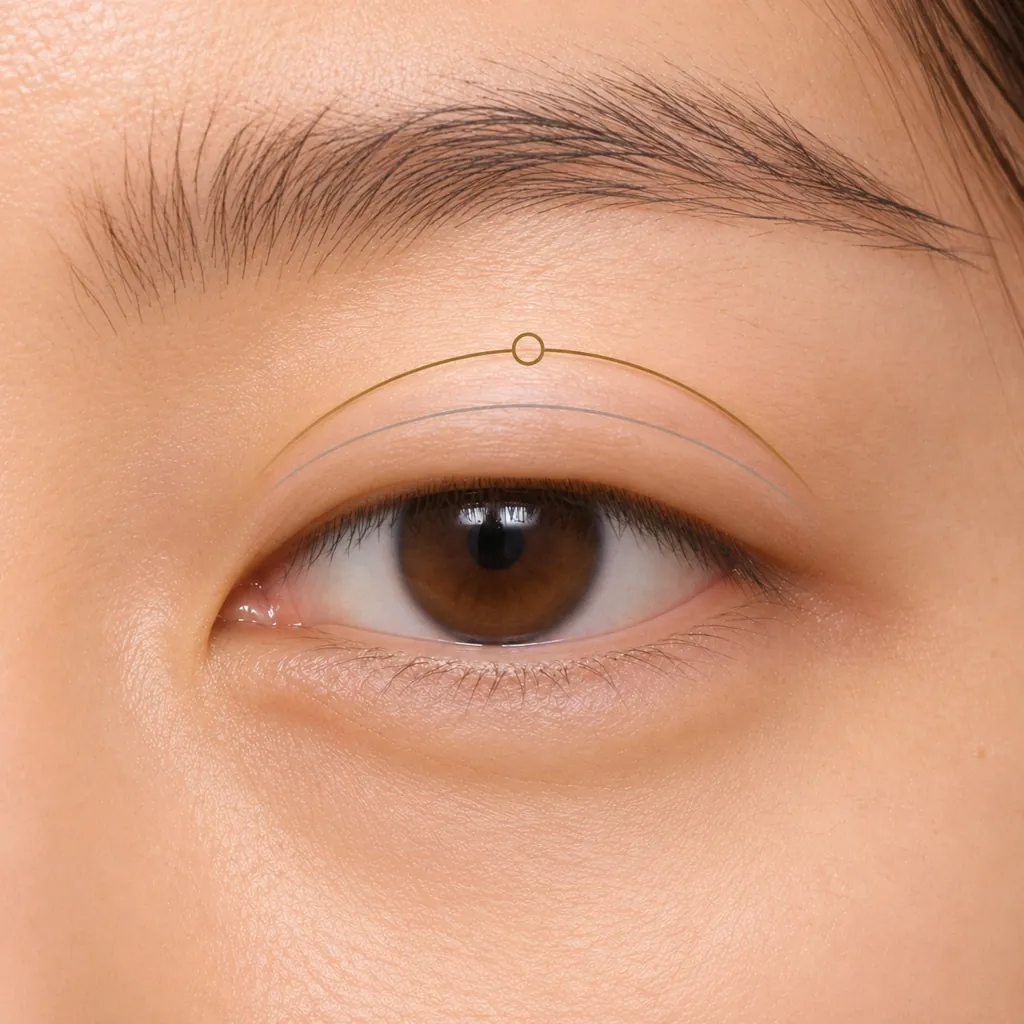
What you may notice: The double eyelid line remains thick, as if the swelling never went down.
What we considerRelease adhesions and reset the height of the line
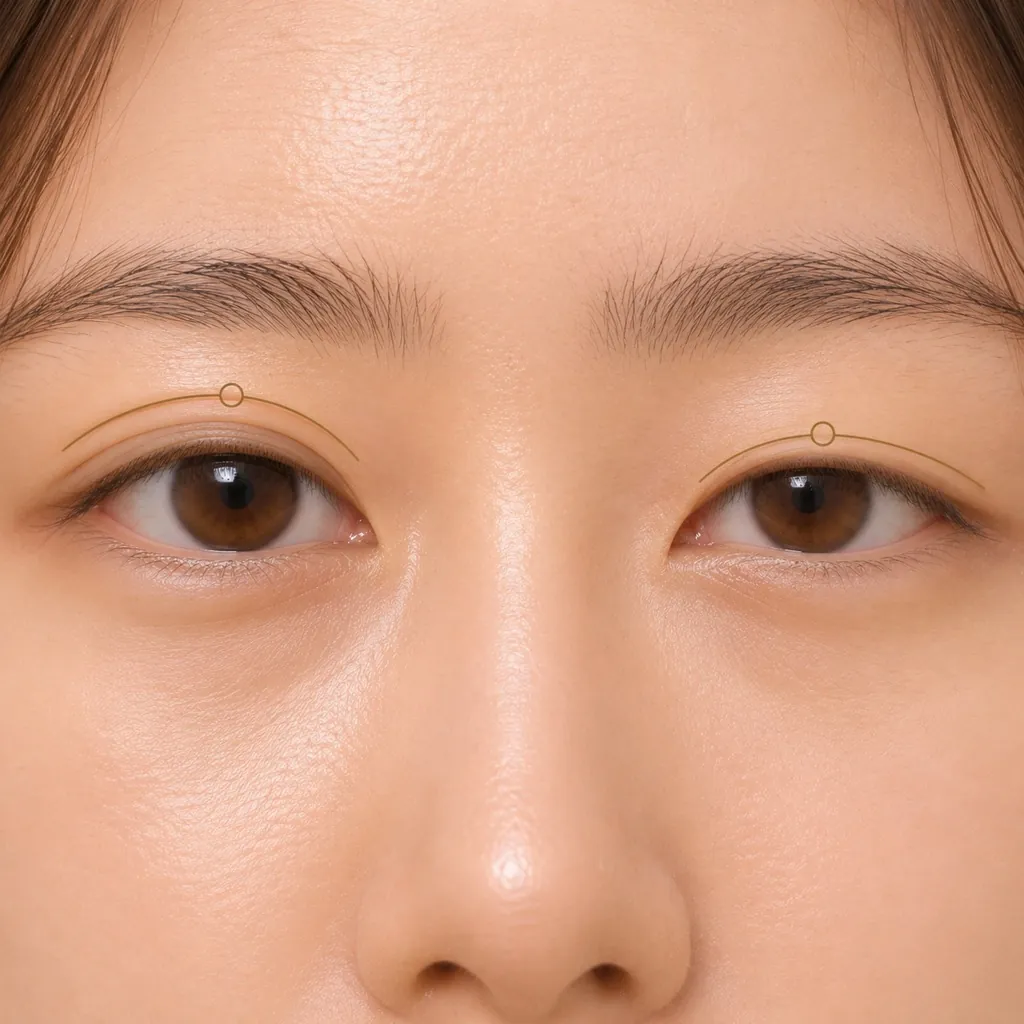
What you may notice: The height or size of the double eyelid line differs between the two sides.
What we considerReposition to match the eyelid structure on both sides
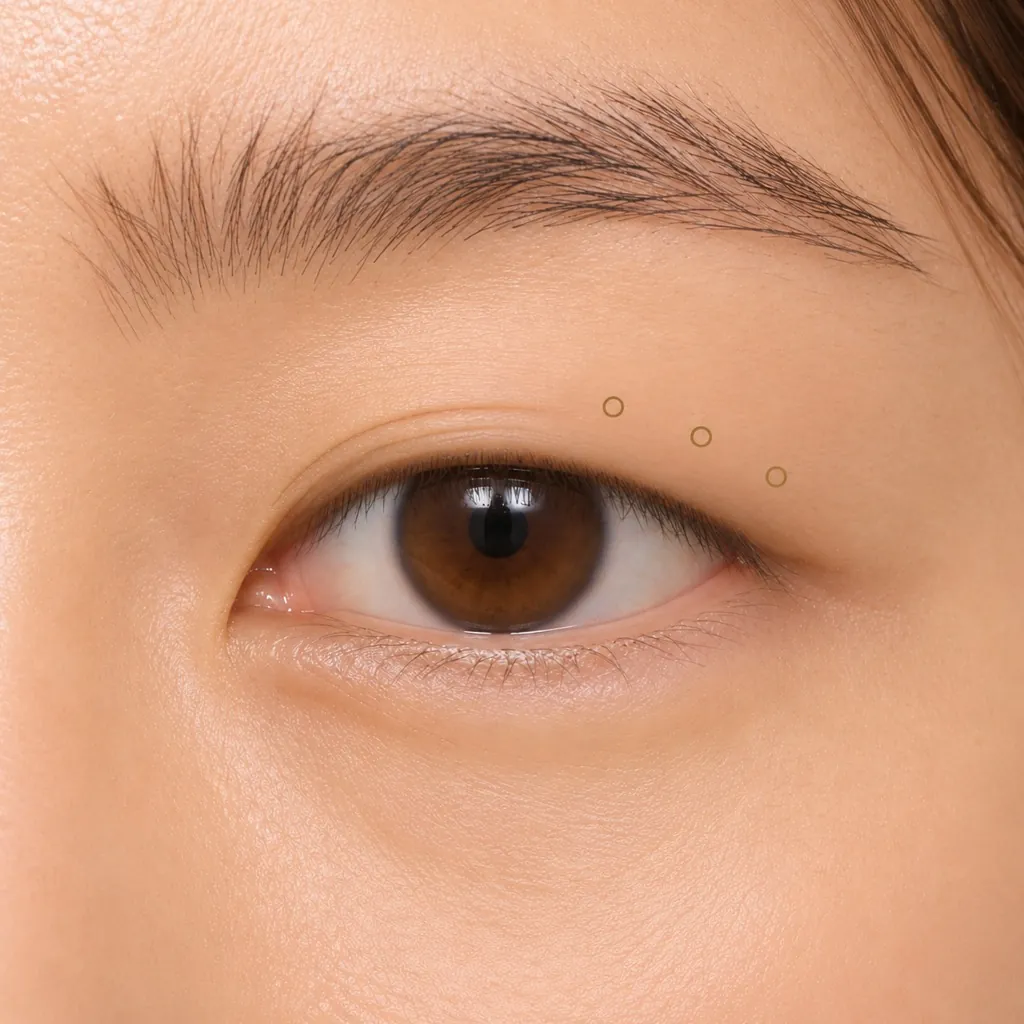
What you may notice: The existing line has come undone or faded.
What we considerIf signs of the previous surgery are mild, non-incisional (suture) or partial-incision revision is also considered
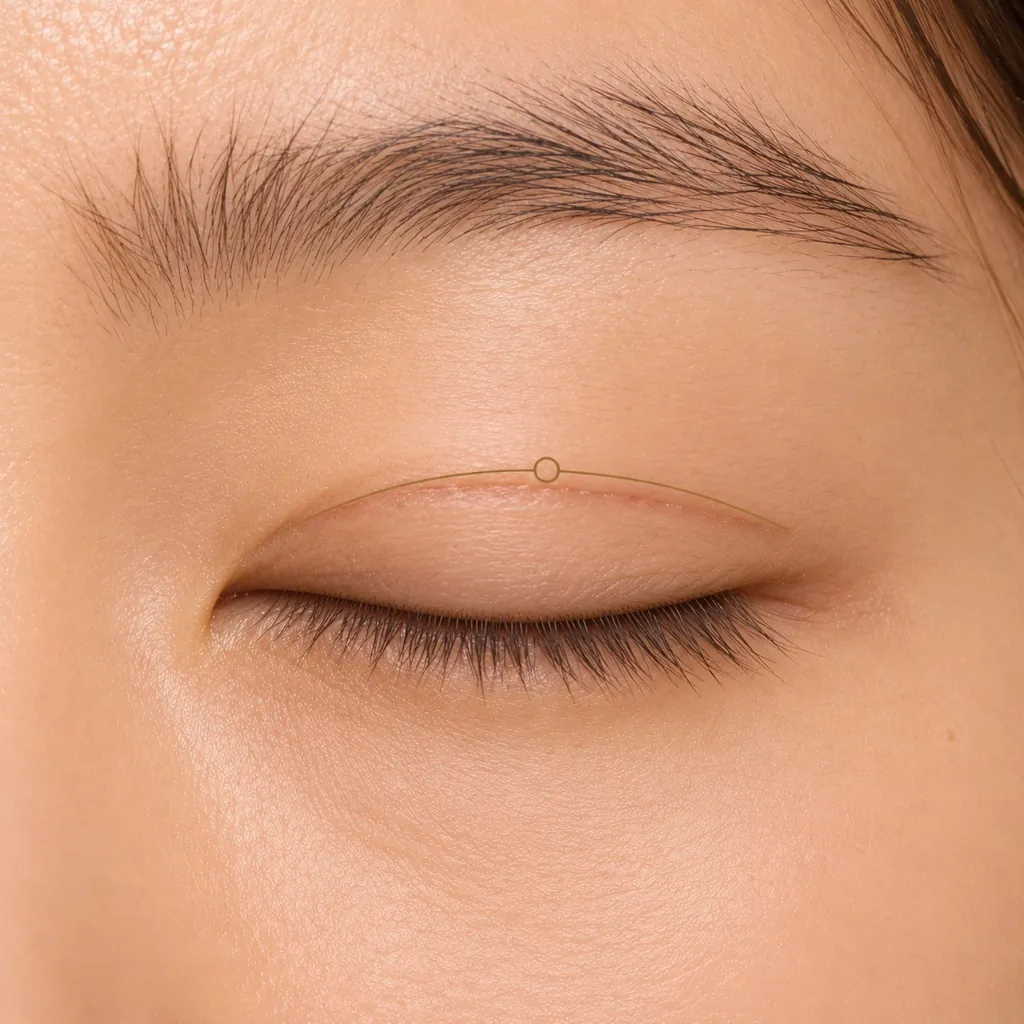
What you may notice: The incision scar looks deeply indented when the eyes are closed.
What we considerInclude the existing scar within the new line, excise it and close with fine sutures
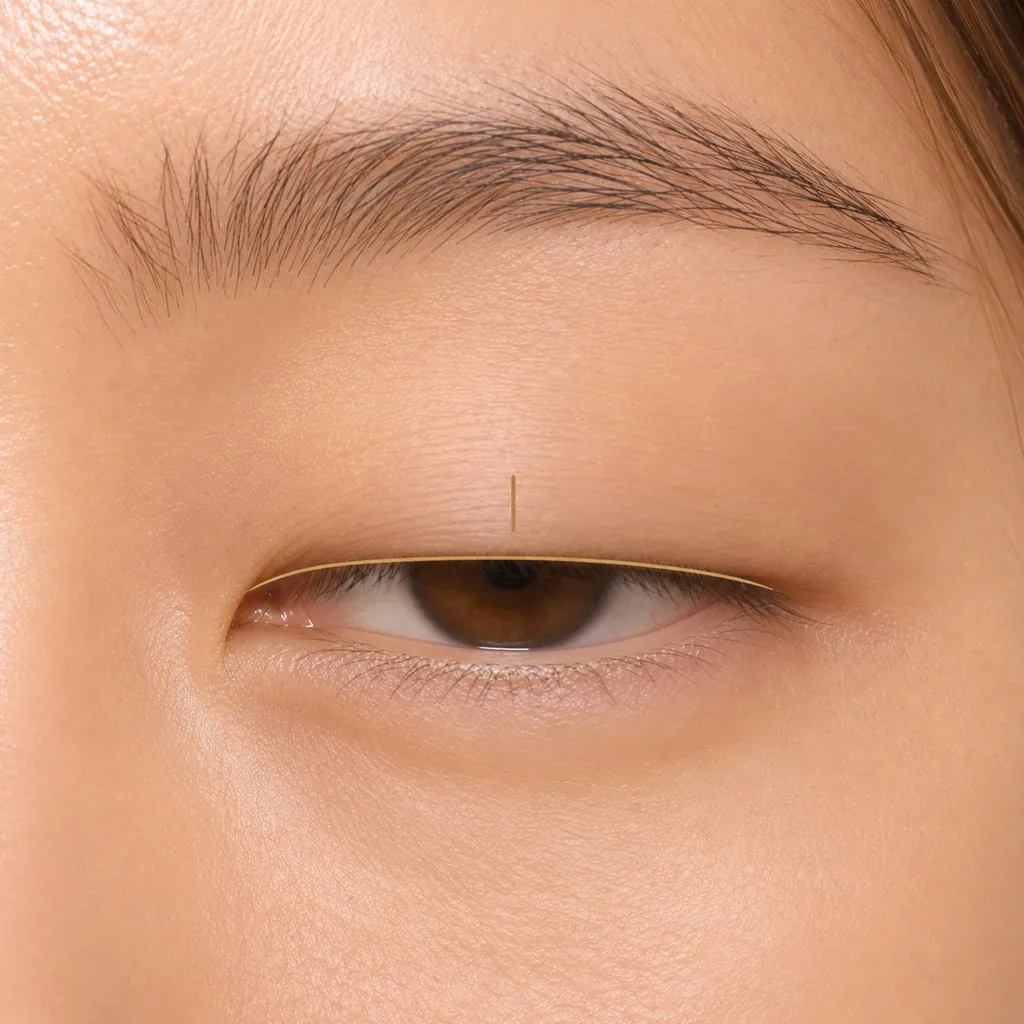
What you may notice: Opening and closing the eyes is less comfortable than before.
What we considerRestore the eyelid structure to correct function and shape together
Revision is usually performed once 6 months have passed since the previous surgery and the tissue has softened. If functional problems are severe, it may be done earlier after diagnosis.
Tangled adhesions are released, deficient fat and muscle are returned to their proper positions, and the surgery is finished with fine sutures.
Adhered scar tissue is precisely released and cleanly separated
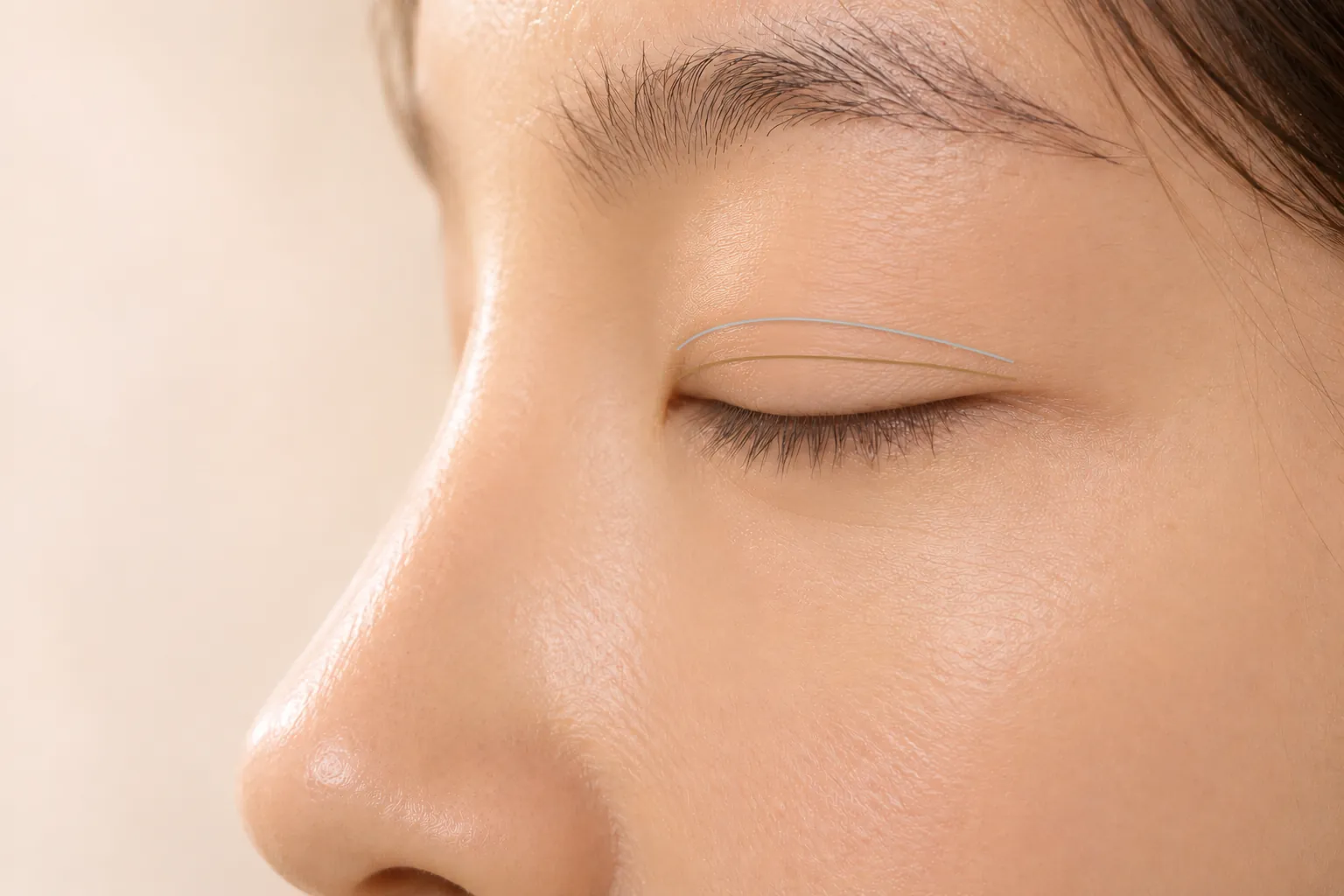
Deficient fat and muscle are returned to their normal positions to restore the eyelid structure
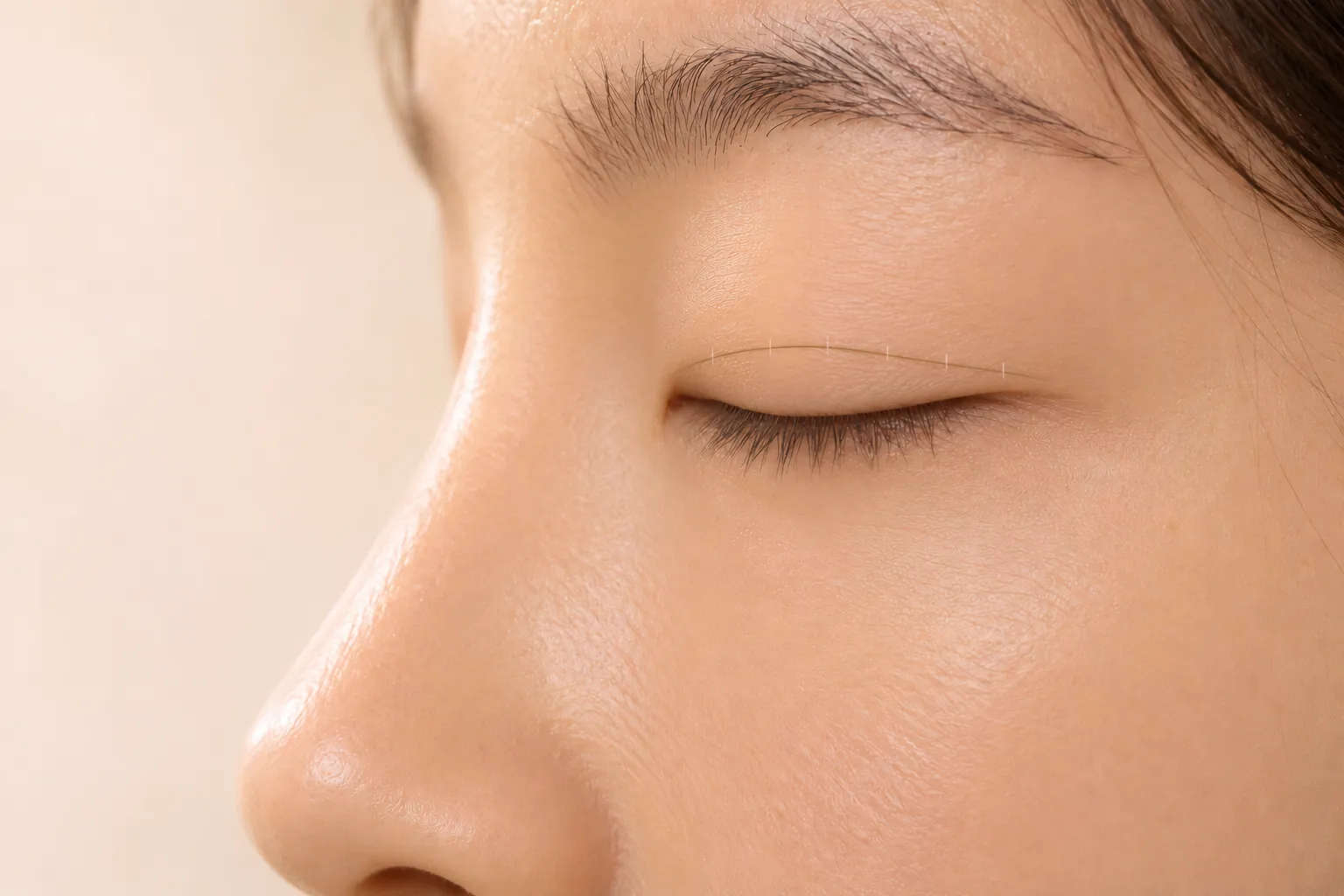
Fine sutures minimize scarring for a natural, stable line
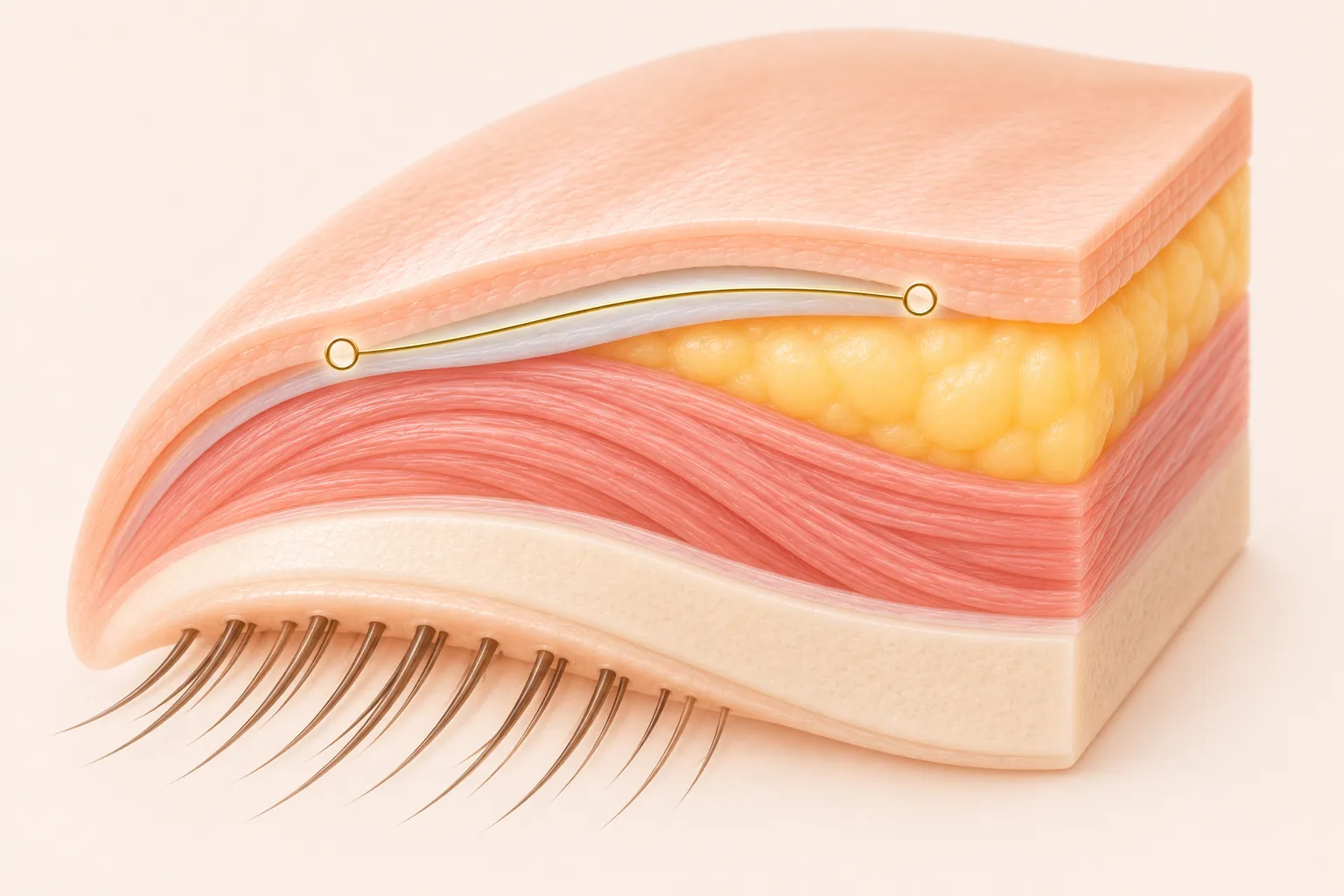
Structural Restoration
Tangled adhesions are precisely released, deficient fat and muscle are returned to their proper positions to restore the eyelid structure, and fine sutures then stabilize the line.
Those whose double eyelid line still looks thick and swollen long after surgery ("sausage" eyelids)
Those with noticeably uneven eyes because the crease height or size differs between sides
Those whose crease has come undone or faded, or whose incision scar looks deeply indented when the eyes are closed
We explain each stage so you know in advance when you can return to daily life and can plan your schedule.
Right after surgery you receive care instructions and start cold compresses to reduce swelling.
The incision area is checked and the stitches are removed.
Because the tissue has become firm from the previous surgery, swelling may last longer than after a first surgery.
We follow your progress to check that the line and the feel of opening the eyes are stabilizing.
Recovery speed varies from person to person depending on skin condition and the extent of surgery.
For anything else, feel free to ask through our consultation channels.
Generally, it is safest and gives better results to proceed at least 6 months after the previous surgery, once the tissue has softened and swelling has fully subsided. However, in special cases with significant functional problems or a need for early correction, earlier revision may be possible after medical evaluation.
The key to revision is fully removing existing scar tissue and releasing adhesions. At WITH CLINIC, the existing scar is included within the new, precise line, excised and closed with fine sutures, so the eyelid surface may become smoother and the scar may improve compared with before surgery.
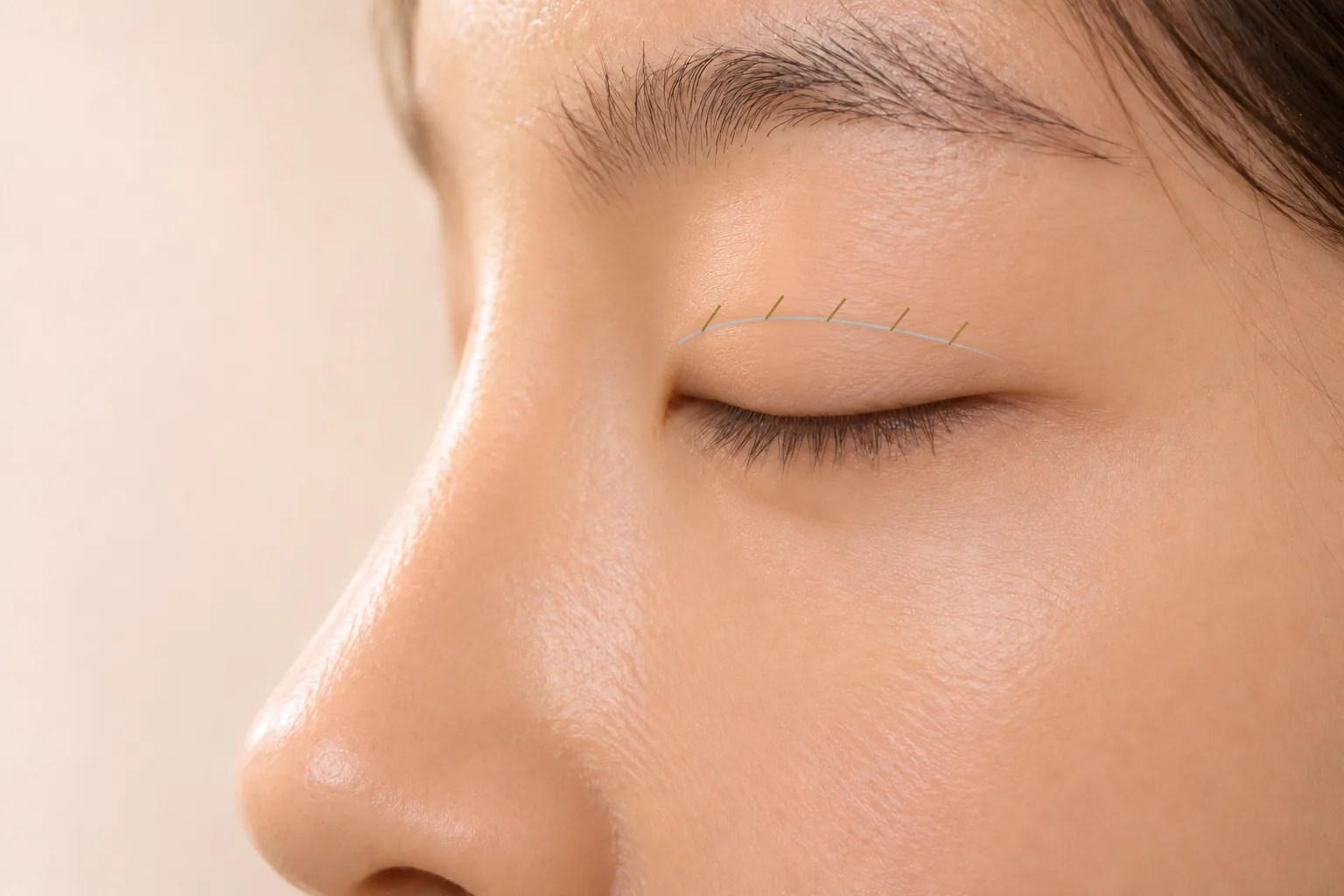
Not necessarily. If signs of the previous surgery are mild and there is no skin sagging, a satisfactory correction may be possible with non-incisional (suture) revision, which releases adhesions and resets the line through tiny openings, or with a partial-incision approach.
Plastic Surgery
Specialized Centers
Each center has its own consultation flow, so we can calmly guide you to only the care you need now.
Treatment methods, results and recovery time vary with each person’s skin and tissue condition, and side effects such as swelling, bruising or inflammation may occur.