

RHINOPLASTY

Rhinoplasty

Rhinoplasty that tailors the technique and materials to your concern, whether the bridge, tip or nostrils, and to your facial proportions

  • Bridge + tip

    A closed or open approach, chosen to suit your nose

  • Targeted correction

    Hump · osteotomy, long · short · bulbous nose, alar reduction

  • Rib cartilage

    Donor or autologous rib cartilage to support the tip and bridge

WHY WITH CLINIC

Three-dimensional refinement at the center of the face,WITH premium rhinoplasty

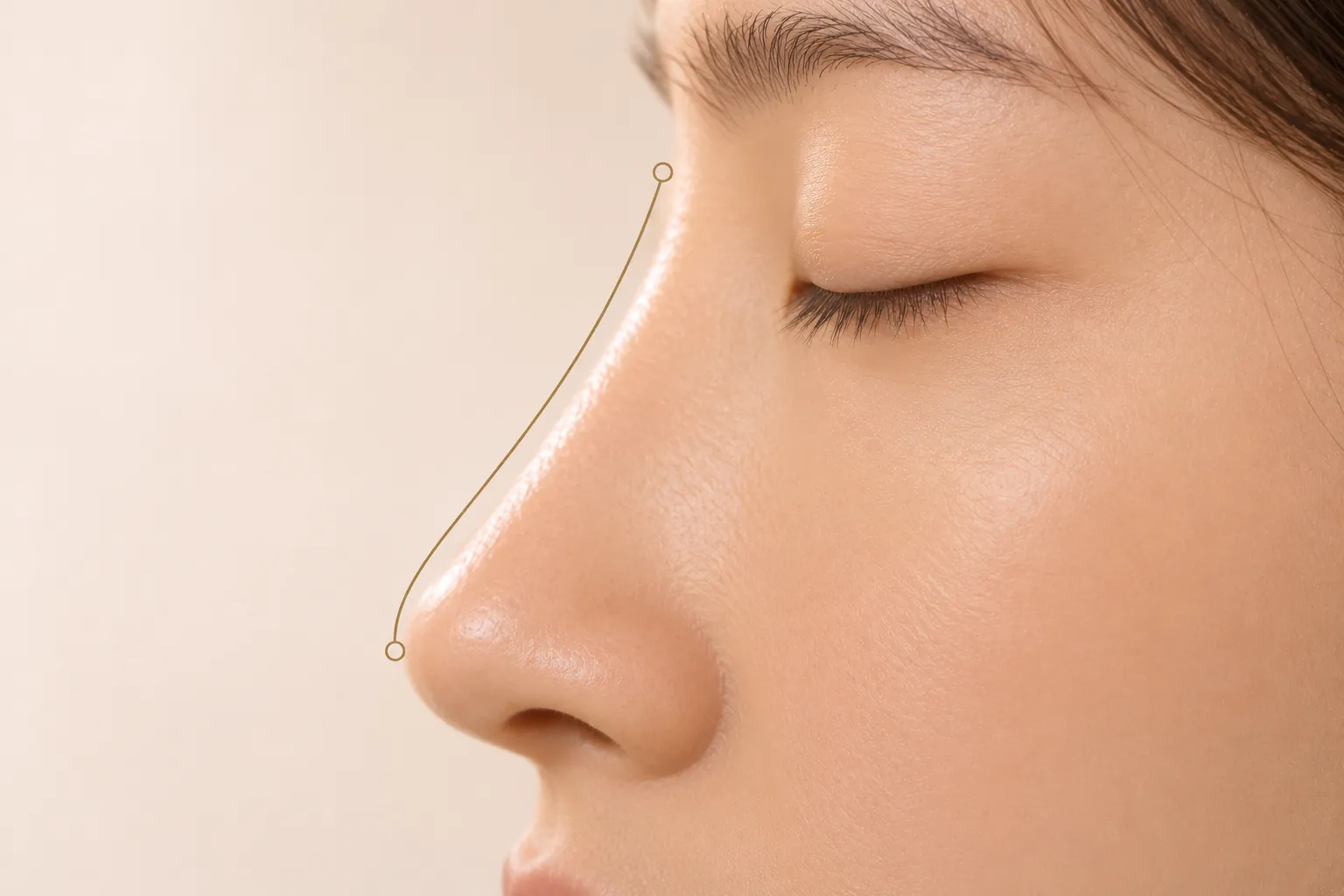
The nose shapes the proportions of both the front view and the profile. Starting from bridge and tip rhinoplasty, the WITH CLINIC Plastic Surgery Center defines the scope of surgery around your concern, including hump reduction and osteotomy, correction of a long, short or bulbous nose, alar reduction and revision. When the tip needs more support, donor or autologous rib cartilage is used.

Rhinoplasty at WITH CLINIC

Which typeis your nose?

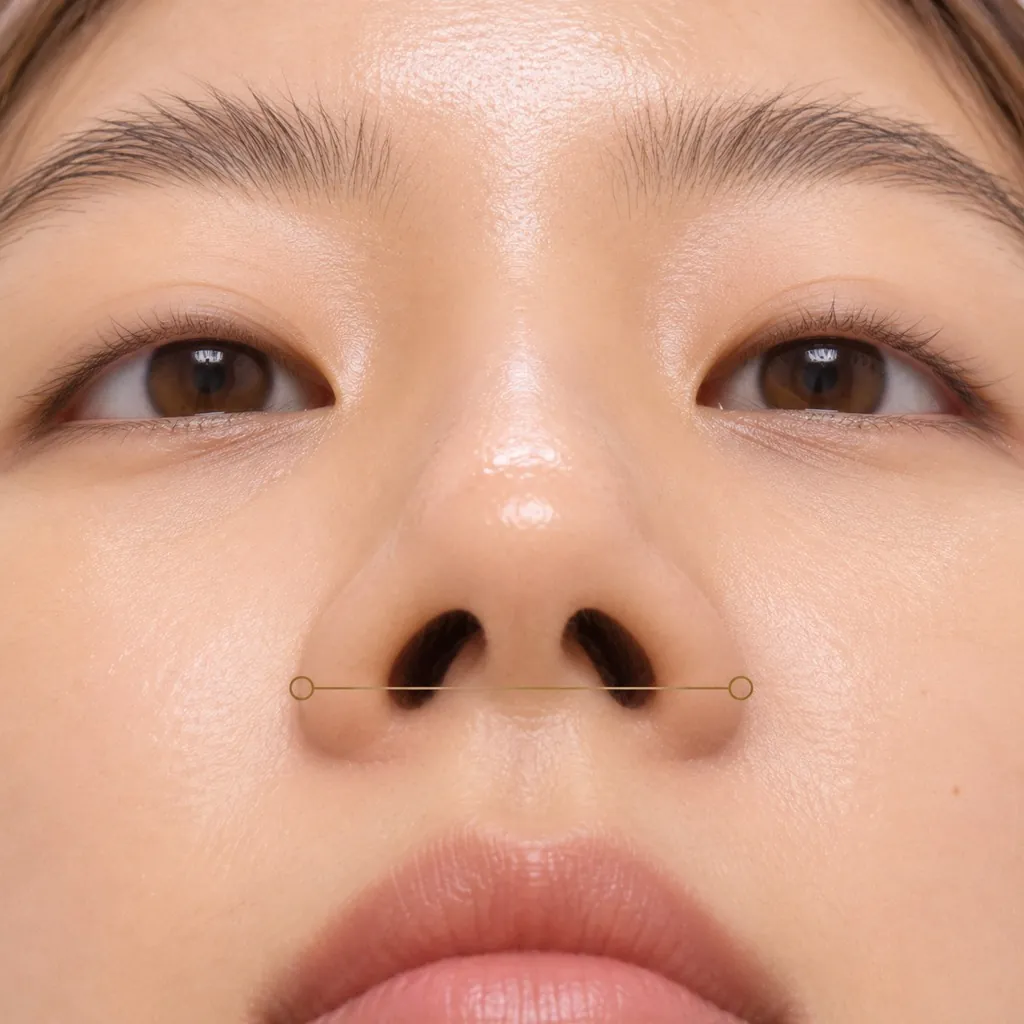
Even within rhinoplasty, the scope of surgery depends on the area of concern. We look at the bridge, the tip and the nostrils separately.

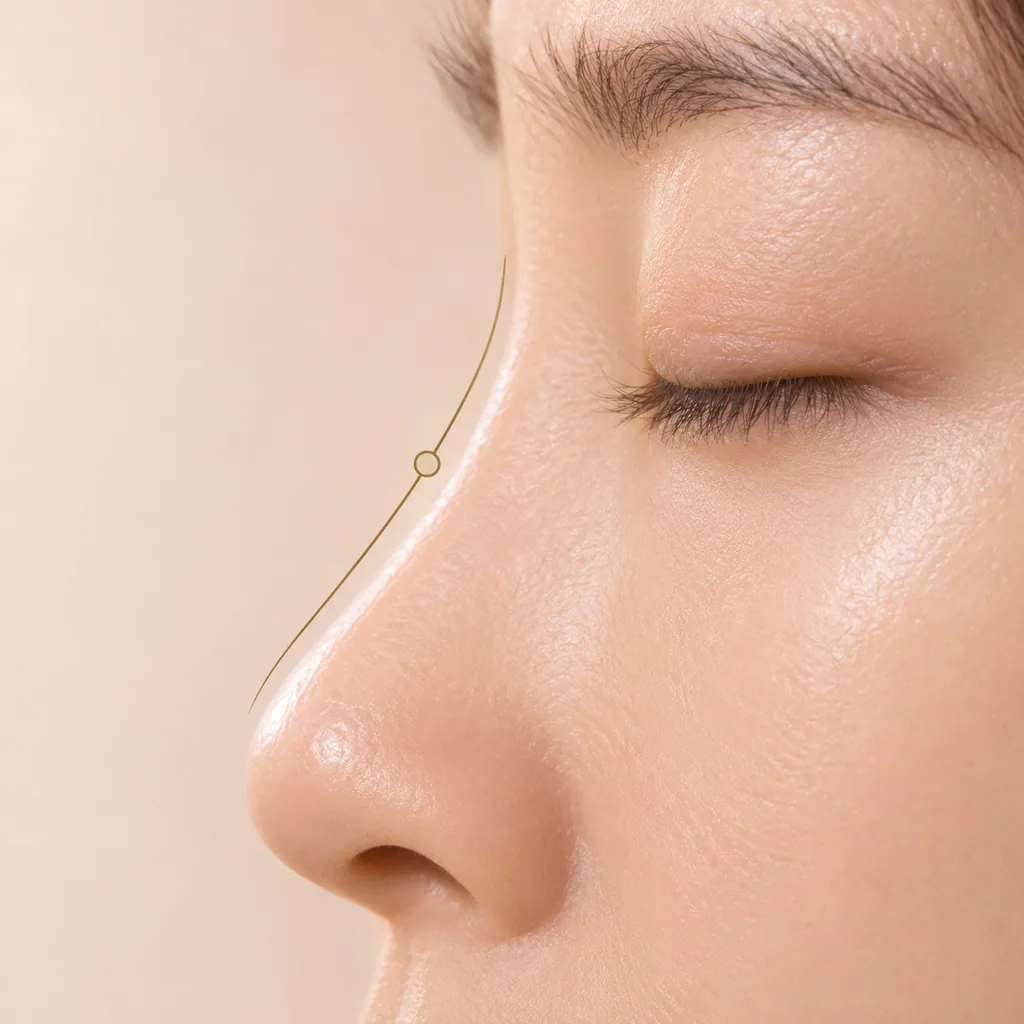
  1. Low nose
    TYPE 01

    Low nose

    What you may notice: A low bridge makes the face look flat.

    What we considerRhinoplasty that refines the bridge and tip together

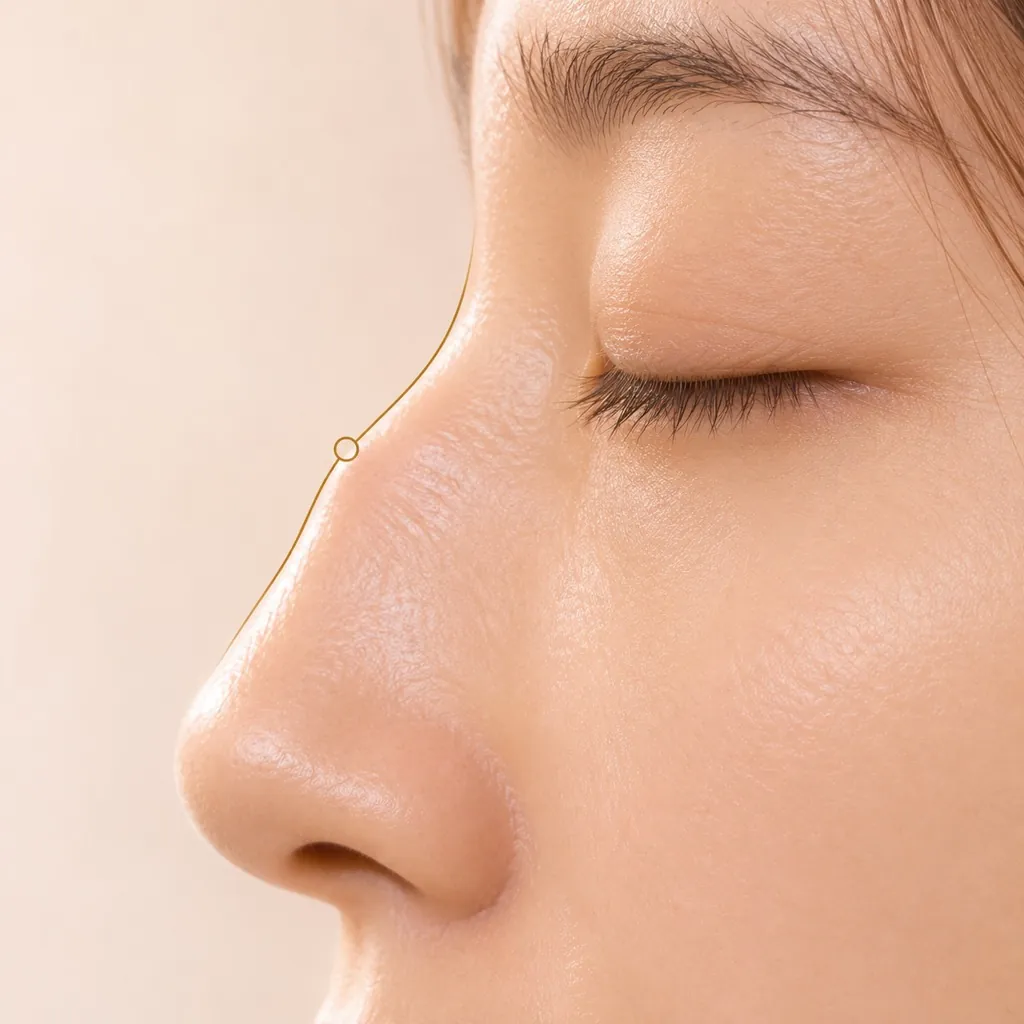
  2. Nasal hump
    TYPE 02

    Nasal hump

    What you may notice: The middle of the bridge protrudes, giving a strong impression.

    What we considerHump reduction, with osteotomy if needed

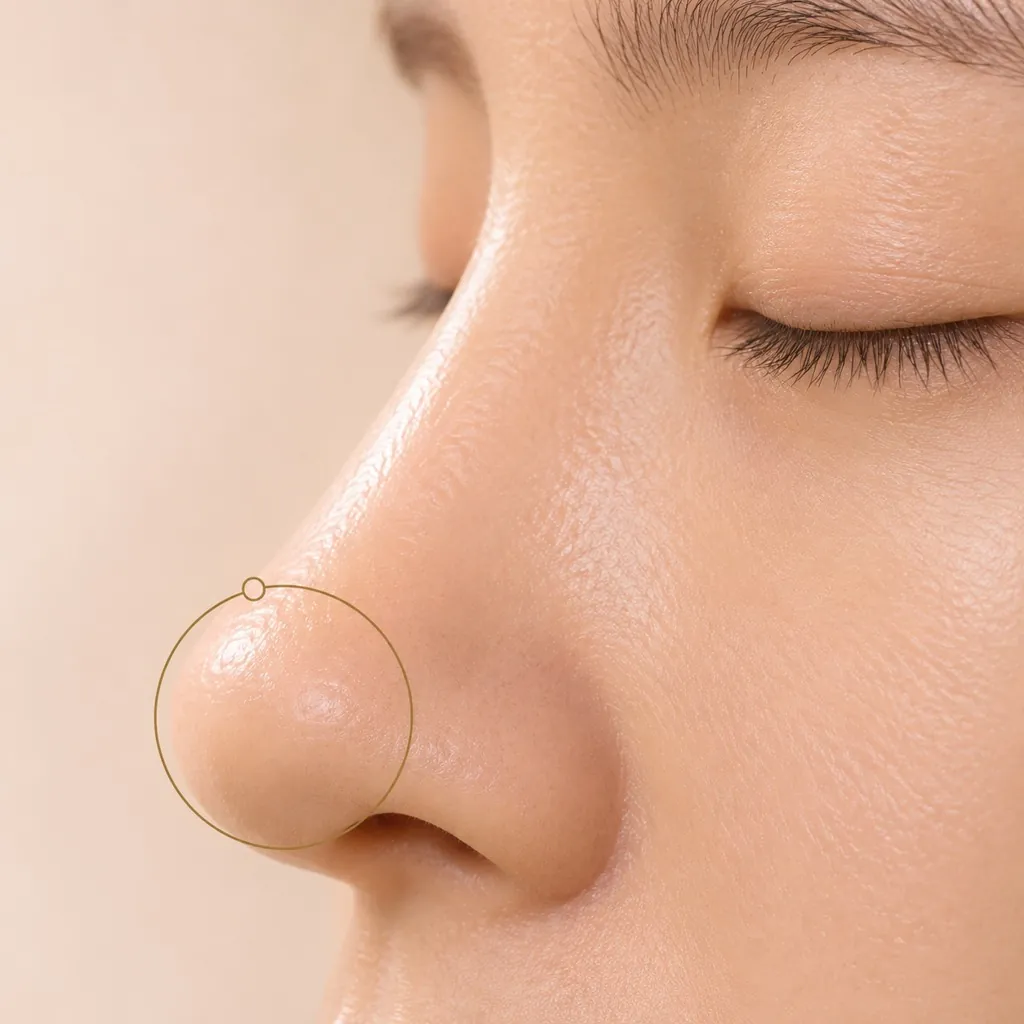
  3. Blunt tip
    TYPE 03

    Blunt tip

    What you may notice: The tip looks blunt and wide.

    What we considerBulbous nose correction to narrow the tip and reinforce its support

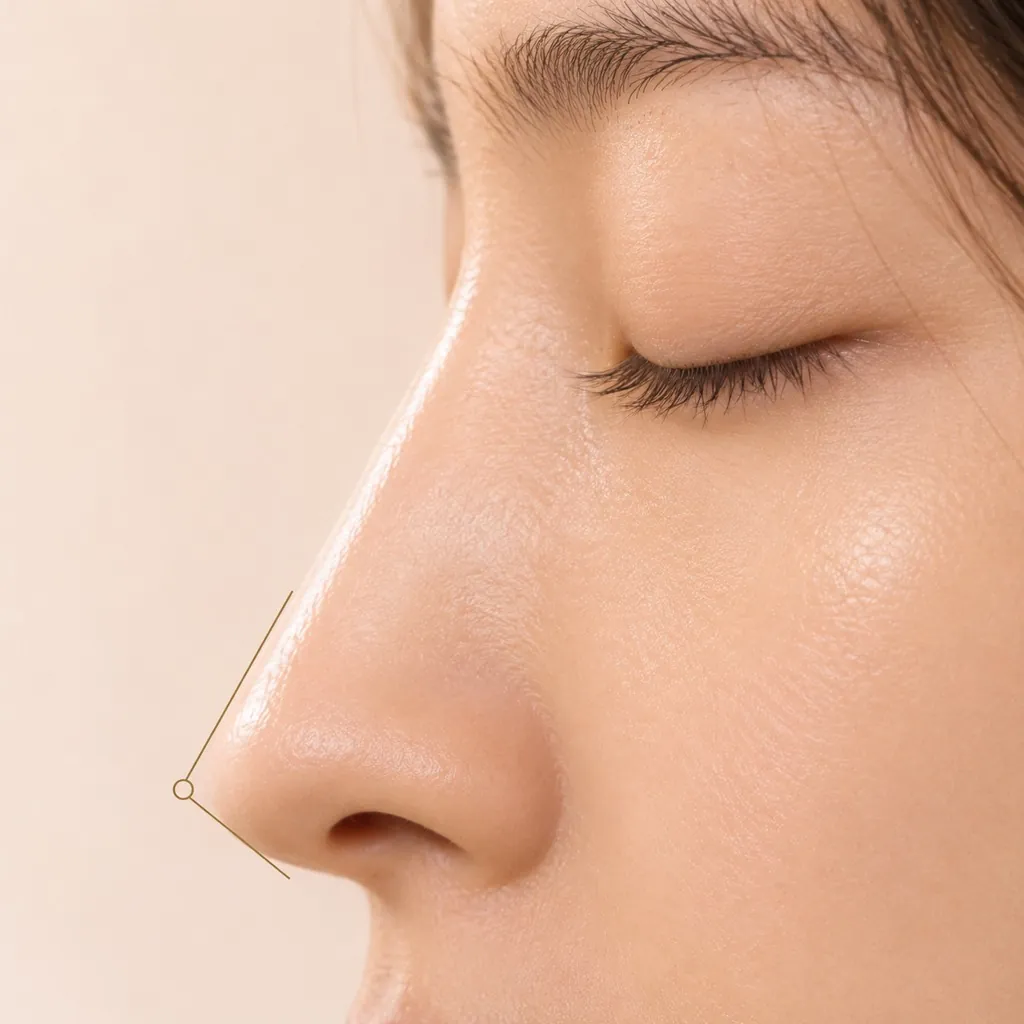
  4. Long · short nose
    TYPE 04

    Long · short nose

    What you may notice: A long nose makes the tip droop, or a short nose makes the nostrils look upturned.

    What we considerAdjust nose length and tip angle, using rib cartilage if support is needed

  5. Wide nostrils
    TYPE 05

    Wide nostrils

    What you may notice: Wide nostrils make the nose look large.

    What we considerAlar reduction

The closed or open approach and the materials used are decided after examining your nose and the extent of correction.

Treatment options

Bridge · tip rhinoplasty

Bridge & Tip

Bridge · tip rhinoplasty

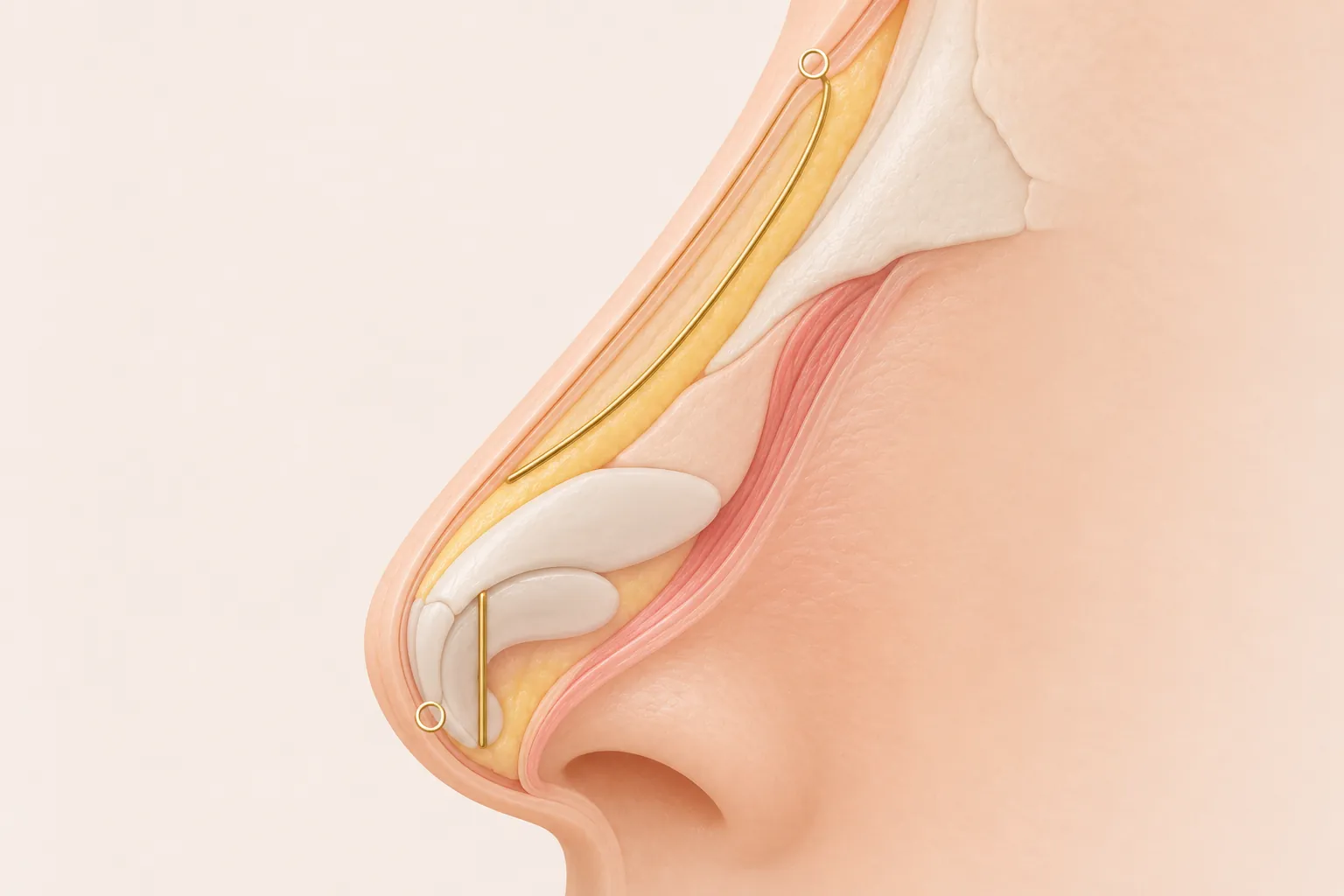
Basic rhinoplasty that raises the bridge and refines the tip. Depending on your nose and the extent of correction, it is performed with a closed approach through the inside of the nostrils, or an open approach that allows the tip structure to be corrected under direct view.


  • Closed
  • Open

Detail Correction

Additional targeted correction

Hump reduction, osteotomy and correction of a long, short or bulbous nose are added as needed, and the nostrils are reduced with a suture or incision technique. When the tip needs substantial support, donor or autologous rib cartilage is used.

  • Hump · osteotomy
  • Alar reduction
  • Rib cartilage

Recommended for

  • Those whose face looks flat due to a low bridge or a blunt tip

  • Those concerned with the shape of the nose itself, such as a hump, wide nasal bones, or a long or short nose

  • Those whose wide nostrils make the nose look large, or who are disappointed with a previous rhinoplasty

Recovery timelineafter surgery

We explain each stage so you know in advance when you can return to daily life and can plan your schedule.

  1. Day of surgery
    Rest and cold compresses

    Right after surgery you receive care instructions and start cold compresses to reduce swelling.

  2. Splint and stitch removal

    The splint holding the nose and the stitches are removed, and the condition is checked.

  3. Major swelling subsides

    This is when major swelling and bruising subside and you return to daily life.

  4. The shape settles

    As the remaining swelling gradually goes down, the shape of the tip and bridge settles.

Recovery speed varies from person to person depending on skin condition and the extent of surgery.

Frequently asked questions

For anything else, feel free to ask through our consultation channels.

Q.How do the closed and open approaches differ?
A.

In the closed approach, the incisions are made inside the nostrils, leaving no visible incision line. In the open approach, a small incision is made under the columella so the tip structure can be corrected under direct view. The approach is decided after examination, based on your nose and the extent of correction.

Q.When is rib cartilage used?
A.

It is used when the tip needs to be raised or supported sufficiently, or when usable cartilage is limited, as in revision cases. Donor or autologous rib cartilage is chosen based on your nose and the result you want.

Q.Is revision rhinoplasty also available?
A.

Yes. We determine the scope of surgery after examining the previous surgical method and the current condition of your nose.

Specialized Centers

Four centers of WITH CLINIC, each with its own expertise

Each center has its own consultation flow, so we can calmly guide you to only the care you need now.

Treatment methods, results and recovery time vary with each person’s skin and tissue condition, and side effects such as swelling, bruising or inflammation may occur.

WECHAT

WeChat

Scan the QR code or tap the button below to start a WeChat consultation with WITH CLINIC.

WITH CLINIC WeChat consultation QR code
Open in WeChat